• Skip to primary navigation
  • Skip to main content
  • Skip to primary sidebar
  • Skip to footer

Whipperberry

WhipperBerry • Your Home For Creative Inspiration

  • Home
  • Recipes
    • Starters
    • Easy Weeknight Dinners
    • Main Dish
    • Salads
    • Side Dish
    • Soups & Stews
    • Desserts
    • Breakfast
    • Miscellaneous
  • Tutorials
    • Creative Crafts
    • DIY Decor
    • Fabric Crafts
    • Food How-To
    • Jewlery
    • Paint Projects
    • Paper Art
    • Party Styling
    • Photography and Graphic Design
    • Silhouette
  • Holidays
    • Easter
    • Mother’s Day
    • Father’s Day
    • 4th of July
    • Halloween
    • Thanksgiving
    • Christmas
    • Valentine’s Day
  • Gift Ideas
    • Gifts For Everyone
    • Gifts for Dad
    • Mother’s day
    • For The Girls
    • For The Kids
    • Teacher Gift Ideas
    • Christmas
  • Printables
    • Holiday
    • Gift Idea
    • LDS Primary
  • Travel
  • About
    • Terms
  • Contact
  • Nav Social Menu

    • Facebook
    • Instagram
    • Pinterest
    • RSS
    • Twitter

Home

4 Luxe Additions Every Mom Needs for Formal Outfits

0 · Oct 1, 2025 · Leave a Comment

Let’s be honest: between school drop-offs, PTA meetings, and playdates, formal events as a mom can feel like another marathon. But dressing up doesn’t have to mean compromising comfort or your personal style.

The right luxe additions and accessories can take your look from “just another outfit” to “I’ve got this (and I had time to fix a snack in between).”

In this guide, you’ll discover four elegant luxe additions that can elevate any formal outfit without adding overwhelm. Think of these as multipurpose treasures you’ll reach for again and again, whether you’re attending a gala, a wedding, or just sneaking in a date night after bedtime.

Additions That You Need to Add to Your Formal Clothing

Formal wear is not something that you wear every day, but when it gets taken out of the closet, it is for something special. You want to be sure that you look your very best when you are dressed up, as a sign of respect for the event that you are going to, and because this is a great chance to show off your personal style with ease.

If you love dressing up, you will use these accessories all the time, but even those who don’t dress up all the time can benefit from having a few key luxury items in their closet to pair with their fanciest clothing. These accessories can be used for other occasions as well. You don’t have to wait to use them until you are heading to a fancy dinner or something like a wedding

Enjoying your accessories and feeling fancy doesn’t have to just be something that you do when you have a big event to attend. This guide will help you know about your options when it comes to accessorizing the smart way for any occasion.

4 Luxe Additions Every Mom Needs for Formal Outfits

1. A Luxury Watch

Nothing makes a statement quite like a luxury watch. A used Ballon Bleu de Cartier is just one of the many great examples of an accessory that will pair well with formal clothing and can be used on a daily basis as well. There are many brands that make quality watches that offer that luxury feel that you have been looking for, both new and vintage. Shopping for a watch that makes a big splash is easier than you might think, and it is also really exciting for most people.

Taking a look at the various kinds of luxury watches made by companies like Cartier, Tiffany & Co., and more can show you just how many cool options are out there to collect and enjoy. Luxury watches are almost always made to be highly durable, allowing you to wear them whenever you want.

You don’t have to treat them with kid gloves or protect them from daily life if you choose to invest in one. They also hold their value for years and years, which can be ideal if you are looking for something beautiful that will also be valuable enough to keep in the family for years to come.

2. A Designer Scarf

Scarves are such a cool accessory as they can be used in many ways. They can be added to suits and dresses alike, and can even be added to updos or used as a headband. Scarves don’t have to be silk, but many of the best quality, luxury scarves are made of high-quality silk.

There is just something so posh about a really pretty and well-made scarf, and you can pick and choose from so many patterns and designs to pair with your favorite formal wear.

accessory for formal occasions

3. Luxury Brand Shoes

If you love being comfortable and making a style statement, then you need to invest in quality footwear. Designer-brand shoes are not only striking and perfect for accessorizing, they are also made to be comfortable to wear. This is true of heels and dress shoes for men, so you can get a lot of bang for your buck when you invest in footwear from a designer brand.

This is a great way to tie together a complete outfit in nearly any style, and you will not regret picking out shoes that say a lot about your personal style preferences. From the moment that you add designer brand footwear to your favorite formal wear, you will see what a big difference it can make in your overall style and fashion sense.

4. Luxury Jewelry

Jewelry is such a fun addition to any outfit that you should be sure to have some quality pieces to add to your formal attire. Jewelry makes a really big statement, or it can even be subtle and add just that last little touch of class that you have been looking for. Jewelry is also a great investment opportunity, as luxury pieces hold their value for years to come.

If you love beautiful and well-crafted jewelry pieces, you will have no trouble finding lots of luxury accessories to put in your closet and add to your favorite formal wear.

accessories for formal occasions

Owning Beautiful Accessories That Are Well-Made is a Great Investment in Your Personal Style

As busy moms, we juggle multiple roles every single day. But when an event calls for a little extra polish, these four luxe pieces—watch, scarf, shoes, and jewelry—help you feel put together without the fuss.

When it comes to looking your best, the more unique items that you have in your closet, from clothes to accessories, the bigger the style statement you can make. There is so much to love about having cool clothes and neat accessories on hand when you need them most.

You don’t even have to use your luxury accessories for things like weddings or baptisms. You can actually enjoy quality accessories whenever you want!

The items in this guide are a great way to spice up your clothing and your fashion whenever you feel inspired and excited. From watches to jewelry to well-crafted footwear, there are so many ways to make a big splash when it comes to personal style.

You will love having the right accessories to step up your game, and this guide will get you started on the process of collecting the right key pieces to really stand out from the crowd.

You don’t have to wait for special occasions to enjoy them. Let these pieces become part of your daily rotation—pair them with casual dresses, upgrade an outfit for errands, or wear them when you want a confidence boost. Because yes, even in mom mode, you deserve to feel radiant.

Creative Budgeting: How to Make Home Projects More Affordable and Fun

0 · Sep 30, 2025 · Leave a Comment

Creative budgeting can make home projects an exciting way to personalize your space, bring fresh energy into your home, and even bond with family. But if you’ve ever taken on a DIY or decorating project, you know how quickly costs can spiral. From materials and tools to unexpected extras, it’s easy to go over budget without even realizing it. The good news is that with a bit of planning and creativity, you can still tackle beautiful home upgrades and enjoy the process along the way.

Here’s how to make your home projects more affordable and a whole lot more fun.

Shop Your Home First

Before you buy anything, take inventory of what you already have. Old furniture can be repainted, mason jars can become light fixtures, and extra fabric can become stylish throw pillow covers. Look at your belongings with fresh eyes. Repurposing existing items not only cuts costs but also adds a unique, personal touch to your project.

Guide to Creative Budgeting

Set a Clear Budget and Stick to It

A defined budget sets boundaries and encourages creativity. Determine the maximum you want to spend, then break it down into categories like supplies, tools, and decor. Having a detailed plan helps you prioritize your purchases and avoid impulse buys that might derail your budget.

Embrace the Power of Thrifting and Swapping

Thrift stores, garage sales, and online marketplaces can be goldmines for DIY enthusiasts. You might find a dated dresser perfect for a makeover or vintage frames ready for a gallery wall. In local communities, swap groups allow you to trade items you no longer need for things you can use. It’s an eco-friendly and wallet-friendly way to gather materials.

Use What You Have (and Love It)

It’s easy to get caught up in trends, but good design comes from personality, not price tags. Instead of chasing what’s popular, work with what reflects your taste. A statement wall using paint samples you already own or a handmade centerpiece from backyard clippings can add charm without draining your funds.

Get Creative With Materials

Stretch your materials by choosing multi-purpose items. For example, a roll of twine can be used for hanging artwork, gift wrapping, or crafting rustic accents. Scraps of wood left over from one project can become wall shelves or signage. Thinking outside the box can turn simple materials into standout features.

Don’t Underestimate Planning

The more detailed your plan, the less room for expensive surprises. Sketch out your vision, list the items you need, and look up tutorials before getting started. Having a clear direction can prevent costly mistakes and unnecessary purchases.

Learn New Skills to Save More

YouTube, Pinterest, and blogs are packed with tutorials on everything from tiling a backsplash to creating your own art. Taking time to learn new skills doesn’t just save money, it empowers you to tackle future projects with confidence. Plus, there’s real satisfaction in knowing you did it yourself.

Follow Frugal Living Resources

One of the best ways to stay inspired and save more on projects is to follow resources that specialize in smart spending. Websites like thinksaveretire offer practical tips for living well on less. Their ideas for saving money and simplifying your lifestyle can align perfectly with the values behind DIY and home improvement.

Make It a Family Affair

Turning your project into a group activity not only makes it more enjoyable but also reduces the need for outside help. Kids can paint, glue, or help with simple tasks. A partner or friend might lend tools or an extra set of hands. Plus, memories made during a weekend project are worth more than any store-bought decor.

Smart Creative Budgeting

Celebrate the Small Wins

Not every home project needs to be a total transformation. Sometimes a fresh coat of paint, a new cushion cover, or a creative shelf styling session can make a big impact. Celebrate these small, affordable upgrades as steps toward a more inspiring and personal space.

Final Thoughts

Home projects don’t have to come with hefty price tags. Some of the most charming spaces are built not with a big budget, but with smart planning and creative budgeting. By making the most of what you have and tapping into the frugal-living community, you can refresh your home beautifully—without overspending.

How to Build Your Dream Backyard Safely: A Step-by-Step Guide for DIY Homeowners

0 · Sep 24, 2025 · Leave a Comment

Building backyard projects can be one of the most rewarding parts of homeownership, but it can also turn stressful if safety is overlooked. A single mistake or skipped precaution can lead to injuries, while poorly constructed features risk collapsing and putting others in danger.

A beautiful backyard should offer more than visual appeal. Thoughtful design not only adds to your home’s value but also enriches daily life, enhances comfort, and makes the space more functional. When planning your outdoor retreat, it is important to keep balance in mind.

In this guide, we will take you through each step of the process on how to build your dream backyard that is both safe and stunning. You will find practical tips and ideas to help you design an outdoor space you can enjoy year-round. Let’s get started.

How to Build Your Dream Backyard

Start with a Safe and Smart Plan

Creating your dream outdoor space begins with thorough planning. First thing to remember, a solid plan not only smooths out your renovation journey but also keeps stress at bay and increases your chances of success.

Define your backyard goals

Before picking up any tools, take time to assess your current space and envision what you want to achieve. Consider existing features, drainage patterns, and how sunlight affects different areas of your yard. The ideal slope for proper yard drainage should range between 2-3% away from your house foundation.

Think about how you’ll actually use the space:

  • Do you need areas for entertaining guests?
  • Are children’s play areas a priority?
  • Would you like to start a vegetable garden?
  • Do you want a tranquil retreat for relaxation?

Creating a mental image of your ideal day in the new backyard will guide your design choices. Picture yourself enjoying morning coffee on a sunlit deck or hosting weekend gatherings. Additionally, make a list of must-have features that align with your available space and budget.

For complex projects, creating a detailed base map of your property showing all fixed features, utilities, and existing vegetation serves as an excellent foundation document.

Check local codes and permits

Depending on the scope of your backyard project, you may need to obtain permits from your local municipality. This step is essential, as skipping it can result in fines or forced changes to your completed work.

Most jurisdictions distinguish between minor remodels (small gardens, minor landscaping) that typically don’t require permits, and major remodels (decks, pools, outdoor kitchens) that almost always do.

Common permits for backyard projects include:

  • Building permits for structural changes
  • Zoning permits to verify compliance with local regulations
  • Grading permits for significant excavation work
  • Electrical permits for outdoor lighting installations
  • Plumbing permits for water features or irrigation systems
  • Fence permits for new installations

Furthermore, homeowners’ association rules may influence design choices by setting limits on colors, materials, or structure heights.

By securing proper permits, you ensure your project meets safety standards, avoid legal complications, and protect your property’s value for years to come.

Prepare the Site and Tools

Proper preparation sets the foundation for success in any backyard project. Subsequently, taking time to prepare your work area and tools properly will save hours of frustration and prevent potential hazards.

Clear and level the ground

Begin by thoroughly removing all obstacles from your designated work area. This includes clearing away grass, rocks, plants, debris, and any other materials that might interfere with your project. For effective clearing:

  • Remove vegetation and mark boundaries of the construction area
  • Clear out rocks, debris, and other obstructions
  • Dispose of cleared materials responsibly

Afterward, focus on leveling the ground. This crucial step prevents water pooling and ensures proper drainage for your structures. For larger areas, consider using a landscape rake to smooth the surface, along with a bubble or laser level for accuracy.

Inspect and organize your tools

Efficiently organized tools make your project run smoothly. Start by emptying and cleaning your toolbox, then sort tools by type and frequency of use. Consider these organization strategies:

  • Install drawer liners to prevent scratches on tools
  • Use custom trays for small parts like nuts and bolts
  • Arrange tools by weight—heaviest items at the bottom
  • Employ foam organizers for better visibility and protection

Taking time to inspect your tools before starting ensures everything is in proper working condition, particularly for cutting and digging implements.

Mark underground utilities

Perhaps the most critical preparation step is identifying what lies beneath your work area. Consequently, contact 811 at least two business days before digging—regardless of project size. Each year, damages to buried utilities cost approximately $30 billion in repairs and societal impacts.

In addition to 811, many homeowners turn to trusted providers like BHUG when searching for underground utility locating services near me. Working with an experienced company ensures greater accuracy and peace of mind before you begin your project. Professional locators will mark underground lines using a color-coded system:

  • Red: Electric
  • Yellow: Gas/Oil
  • Orange: Communications/Cable TV
  • Blue: Water
  • Green: Sewer

Even shallow digging requires this precaution since some utilities are buried just inches below the surface. Remember to respect these markings throughout your project—they’ll guide your safe digging zones.

Build Key Backyard Features Step-by-Step

How to Build Your Dream Backyard Safely

Now it’s time to transform your plans into reality by tackling the main features of your dream backyard. Let’s break down each element into manageable steps.

Install a patio or deck

For a patio installation, begin by marking your layout with stakes and string. Excavate the area to a depth of about 6 inches plus your paver thickness. Next, add 4 inches of gravel base material and compact it firmly. Pour a 1-inch layer of sand and level it using conduit pipes as guides. Then lay pavers one by one, working from a corner outward, and ensure they fit snugly together. Finally, add edge restraints and sweep polymeric sand between the joints to lock everything in place.

For deck building, start by attaching a ledger board to your house with lag screws. Dig footing holes below the frost line, add gravel, and pour concrete with J-bolts for post anchors. Once dry, attach posts to the anchors and install the main support beam. Next, add joists using hangers, ensuring proper spacing (typically 16 inches apart). Finally, lay decking boards perpendicular to the joists, leaving 1/8-inch gaps between them.

Add garden beds and plantings

Raised beds offer numerous advantages—better drainage, warmer soil, and easier access. For best results, build beds that are 6-24 inches in height and no wider than your comfortable reach. Cedar is excellent for wooden beds due to its durability, while galvanized steel provides a modern alternative.

The ideal soil mixture for raised beds is approximately 2/3 topsoil and 1/3 compost. Position your beds in areas receiving at least 6-8 hours of sunlight for sun-loving plants like tomatoes and peppers.

Build a path or walkway

Start by determining the path’s purpose and traffic level. Primary paths should be at least 48 inches wide, while secondary paths can be 30-36 inches. Mark your route using stakes and string, then excavate to a depth of about 6 inches.

Add a 4-inch gravel base for stability and drainage, with a slight slope (1/4 inch per foot) away from structures. For finishing materials, consider options ranging from inexpensive gravel ($0.65-$3.00 per square foot) to elegant natural stone ($15-$50 per square foot).

Install lighting and irrigation

For landscape lighting, mount transformers near GFCI outlets and run low-voltage cables to your fixture locations. Place path lights consistently along walkways and install step lights where needed. Moreover, keep fixtures away from flammable materials and always use outdoor-rated products.

When installing irrigation, connect to your water supply using a backflow preventer. Run main lines and branch lines to different zones based on water needs. For drip systems, use 1/2-inch poly tubing as main lines with 1/4-inch tubing to individual plants. Finally, program your timer to water zones separately, adjusting schedules seasonally.

Add Safety and Comfort Elements

Backyard projects are exciting, but safety and comfort should always come first. Protecting yourself during construction and designing spaces that feel welcoming will help you enjoy your outdoor area with confidence.

Keep these essentials in mind:

  • Wear proper protective gear such as eye protection, gloves, steel-toe boots, hardhats, and hearing protection.
  • Keep all electrical equipment at least 10 feet away from power lines and use GFCI outlets, outdoor-rated extension cords, and well-maintained tools.
  • Avoid operating electric tools in wet conditions or leaving them unattended.
  • Add shaded zones with pergolas, parasols, summer houses, or strategically planted trees to stay cool and create quiet retreats.
  • Install fencing around pools or play areas, or use options like glass enclosures, bamboo fencing, wrought iron, or natural landscaping to enhance safety and privacy.

Stepping Back to Enjoy Your Work

Creating a safe and beautiful backyard is about more than checking off tasks on a list. Each step you take, from planning and preparation to building and adding comfort features, shapes a space where memories can unfold. A well-designed outdoor area enriches daily life, offers peace of mind, and becomes a place where family and friends naturally gather.

When you combine safety with creativity, you set the stage for a backyard that lasts for years to come. Thoughtful choices in layout, materials, and protective measures ensure that your outdoor retreat remains a source of pride and enjoyment in every season. Now that the groundwork is complete, it is time to step back, take a deep breath, and savor the space you have built with care.

Designing a Home That Reflects Who You Are

0 · Sep 23, 2025 · Leave a Comment

Designing a home that authentically reflects individual personality is no longer a luxury—it is an expectation. As personalization becomes central to both residential development and consumer demand, design professionals, builders, and developers are increasingly tasked with delivering spaces that capture the uniqueness of each homeowner.

This shift is not only aesthetic but functional. Today’s buyers want homes that align with their lifestyle, values, and identity, from the ground up.

Personalization begins with a deep understanding of the homeowner’s priorities. Whether it’s a preference for open-concept spaces, traditional layouts, or multipurpose rooms, the architectural foundation must serve the way the individual or family lives.

For some, this may mean a dedicated art studio or home gym; for others, it could involve creating zones for entertaining or quiet retreat. A purpose-driven approach to designing a home ensures function comes first, while still allowing self-expression to shine in every corner.

Material selection also plays a critical role. Natural woods, reclaimed metals, or sustainable composites can reflect environmental values, while bold marbles or high-contrast finishes convey a strong visual personality.

Flooring, wall treatments, and cabinetry should be approached not just from a durability or cost-efficiency standpoint, but with attention to how they contribute to the emotional tone and tactile experience of a space.

Purposefully Designing a home

Color, Texture, and Lighting as Personality Markers

One of the most direct ways of designing a home is by personalization through color. Color psychology has long been used in commercial spaces to influence mood and behavior, and it applies equally well to residential design.

Earth tones may suggest calm and grounding, while brighter hues can express creativity and energy. While neutral palettes remain popular for resale value and versatility, accent walls, trim details, or bold fixtures offer controlled opportunities for visual storytelling.

Textures add dimension and depth that go beyond the visual. Layering materials—linen drapes, stone backsplashes, leather upholstery—creates tactile diversity that helps communicate warmth, luxury, or minimalism, depending on the homeowner’s intent.

Likewise, lighting is not just a functional requirement but a powerful design tool. Layered lighting—ambient, task, and accent—provides flexibility while enabling personalization. Whether through modern pendant lights, antique sconces, or smart lighting systems with color-change capabilities, lighting choices allow for both mood setting and aesthetic cohesion.

Furnishings and Art as Extensions of Identity

Furnishings bridge the gap between structure and soul. They are where personality truly comes to life—whether through a curated mix of vintage and modern pieces, custom upholstery, or handcrafted tables.

The key is to avoid generic, mass-produced décor in favor of selections that carry meaning, even in professionally staged homes. This may include heirlooms, bespoke items, or locally sourced designs that reflect regional culture.

Art offers another layer of personal expression. Incorporating artwork—be it photography, sculpture, or contemporary painting—transforms walls into narratives. Art doesn’t need to match the sofa; it needs to resonate with the people who live in the space. Likewise, books, collected objects, and even functional items like handmade ceramics contribute to a more expressive and authentic environment.

Outdoor Living as a Personal Retreat

Personalization extends beyond the walls of the home. Outdoor spaces should serve as a natural extension of interior living, reflecting the same care and character. This might include curated gardens, outdoor dining areas, fire features, or small studio structures for work or creativity.

In climates that support year-round outdoor use, the return on investment for functional exterior space is significant—not just financially, but in terms of lifestyle quality.

One key feature that continues to grow in popularity is the private pool. A pool serves not only as a recreational asset but as a customizable design statement. While pools are often associated with warmer regions, demand for personalized aquatic features is rising nationwide—including in cities like St. Louis.

For homeowners seeking pool installation in St. Louis, the focus is increasingly on tailored solutions that integrate seamlessly with the home’s architecture and landscape design. Custom shapes, lighting, and surrounding materials allow a pool to reflect personal style as effectively as any indoor room.

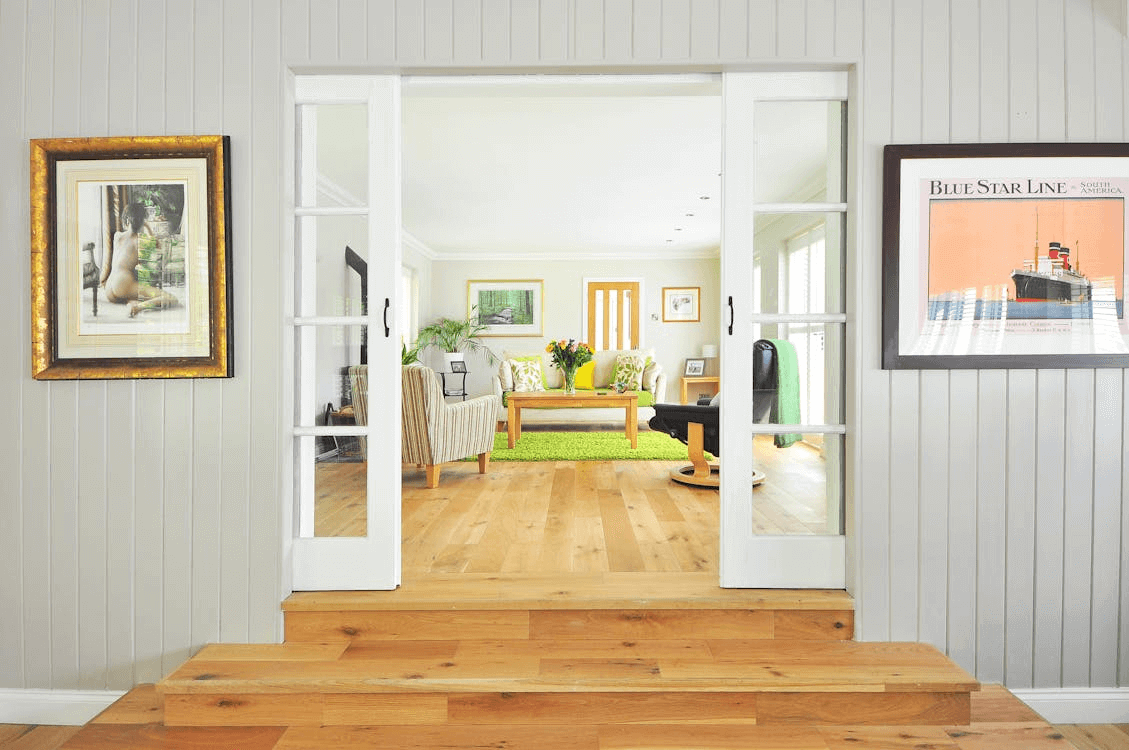
Designing a home

Aligning Design with Lifestyle and Identity

Ultimately, a personalized home is not defined by a singular design style—it is defined by intentional choices that reflect the occupant’s values, preferences, and lifestyle. For developers, designers, and real estate professionals, facilitating that level of customization is becoming a competitive necessity.

Offering clients the tools, partnerships, and flexibility to make thoughtful, individualized decisions can elevate a home from simply functional to deeply meaningful. As design evolves with cultural and generational shifts, designing a home that reflects personality ensures both desirability and lasting satisfaction.

  • « Go to Previous Page
  • Page 1
  • Interim pages omitted …
  • Page 38
  • Page 39
  • Page 40
  • Page 41
  • Page 42
  • Interim pages omitted …
  • Page 79
  • Go to Next Page »

Primary Sidebar

Heather from Whipperberry
Hello... my name is Heather and I'm the creator of WhipperBerry a creative lifestyle blog packed full of great recipes and creative ideas for your home and family. I find I am happiest when I'm living a creative life and I love to share what I've been up to along the way... Come explore, my hope is that you'll leave inspired!

Footer

  • Privacy Policy
  • Crafts
  • Food
  • Gifts
  • Holidays
  • Home
  • Mom Life
  • Recipes
  • Travel

Copyright © 2026 · Seasoned Pro