• Skip to primary navigation
  • Skip to main content
  • Skip to primary sidebar
  • Skip to footer

Whipperberry

WhipperBerry • Your Home For Creative Inspiration

  • Home
  • Recipes
    • Starters
    • Easy Weeknight Dinners
    • Main Dish
    • Salads
    • Side Dish
    • Soups & Stews
    • Desserts
    • Breakfast
    • Miscellaneous
  • Tutorials
    • Creative Crafts
    • DIY Decor
    • Fabric Crafts
    • Food How-To
    • Jewlery
    • Paint Projects
    • Paper Art
    • Party Styling
    • Photography and Graphic Design
    • Silhouette
  • Holidays
    • Easter
    • Mother’s Day
    • Father’s Day
    • 4th of July
    • Halloween
    • Thanksgiving
    • Christmas
    • Valentine’s Day
  • Gift Ideas
    • Gifts For Everyone
    • Gifts for Dad
    • Mother’s day
    • For The Girls
    • For The Kids
    • Teacher Gift Ideas
    • Christmas
  • Printables
    • Holiday
    • Gift Idea
    • LDS Primary
  • Travel
  • About
    • Terms
  • Contact
  • Nav Social Menu

    • Facebook
    • Instagram
    • Pinterest
    • RSS
    • Twitter

Travel

What’s the Best Way to Learn Japanese if You Live in New York?

0 · Nov 13, 2025 · Leave a Comment

When our family spent a few months in New York City for my husband’s work, I didn’t expect it to become the perfect setting to learn Japanese. My oldest had recently become obsessed with Japanese culture—anime, food, even learning hiragana on his own—so I figured, why not use this time in NYC to explore it more deeply?

To my surprise, the city offered more than just sushi spots and stationary shops. Between language schools, cultural events, and neighborhood libraries, we found so many ways to weave Japanese learning into our everyday life. Whether you’re visiting New York short-term like we did, or just curious about how to learn Japanese outside of Japan, here’s what worked for us.

Top Methods to Learn Japanese in New York

People in New York can learn Japanese through structured classes, one-on-one tutoring, or language exchanges with native speakers. Each method offers different benefits depending on how someone prefers to learn and how much time they can commit.

Private Tutoring Options

Private lessons give learners individualized attention and flexible scheduling. A tutor can adjust lessons to match the student’s goals, such as business communication, travel, or exam preparation.

Many learners choose to learn Japanese with native tutor in New York as it allows real-time conversation practice and immediate correction. Meeting in person or online gives more control over pace and focus.

Tutors often use a mix of textbooks, conversation drills, and multimedia tools. This method suits people who prefer direct feedback and a personalized learning plan. Private tutoring can be more expensive than group classes, but it often leads to faster progress.

learn japanese

Language Schools and Classes

Language schools in New York offer structured programs that guide learners from beginner to advanced levels. Many schools divide classes into multiple levels, allowing students to progress step by step.

Courses often include grammar, conversation, reading, and writing practice.

Some programs run on weekday evenings or weekends, making them suitable for working adults. Group classes help students practice speaking with classmates, while small class sizes allow for personalized feedback.

Schools may also include cultural workshops such as calligraphy or conversation clubs. These activities help learners understand both the language and cultural context. For those who prefer a classroom setting and steady progress, this approach works well.

Community Language Exchange Programs

Language exchange programs connect English speakers with Japanese speakers who want to practice English. These meetings often happen in cafes, libraries, or community centers. Some groups also meet online for convenience.

Participants take turns speaking each language, helping each other improve naturally. This approach builds confidence in real conversation and helps learners understand everyday expressions.

Language exchanges are usually free or low-cost, making them a practical option for consistent practice. They also create opportunities for friendship and cultural exchange, which keeps motivation high and learning enjoyable.

Maximizing Your Japanese Learning Experience in New York

Living in New York gives learners many ways to learn Japanese both inside and outside the classroom. From cultural events to local bookstores and online tools, the city offers real-world opportunities to apply what they study and stay consistent in their progress.

Immersive Cultural Events

Cultural events help learners connect classroom lessons with real-life experiences. New York hosts seasonal festivals, film screenings, and art exhibits that highlight Japanese traditions, food, and language. Attending these events allows learners to hear native speakers and practice greetings or casual conversation.

Joining language meetups or conversation tables is another effective way to build confidence. These small gatherings often take place in community centers or cafés and focus on everyday topics. Learners can practice listening, pronunciation, and natural phrasing in a relaxed setting.

Tips for participation:

  • Bring a notebook to jot down new phrases.
  • Listen carefully to speech rhythm and tone.
  • Try to use one new word each time you attend.

Japanese Bookstores and Libraries

New York offers several places to find Japanese books, magazines, and study materials. Bookstores often carry graded readers, manga, and bilingual texts that help learners expand vocabulary while enjoying familiar topics. Libraries may also have Japanese-language sections or host language clubs.

Reading Japanese materials supports grammar and kanji recognition. Beginners can start with children’s books or short stories written in simple language. Intermediate learners might move on to novels or newspapers to build reading speed.

Recommended reading approach:

Level Material Type Goal
Beginner Children’s books, manga Recognize hiragana and katakana
Intermediate Short stories, bilingual books Expand grammar and vocabulary
Advanced Newspapers, novels Practice reading fluency

Online Resources Tailored for New Yorkers

Online tools make it easier to stay consistent between classes or events. Learners can access digital flashcards, grammar lessons, and pronunciation guides designed for busy city schedules.

Some online tutors even adjust meeting times to match New York’s time zone.

Virtual language exchanges connect learners with native speakers in Japan. Video chats help practice conversation in real time without leaving home. Many learners combine these sessions with local study groups for balanced progress.

To stay organized, learners can:

  • Set daily study goals.
  • Track new words using spaced repetition apps.
  • Review notes after each online session.
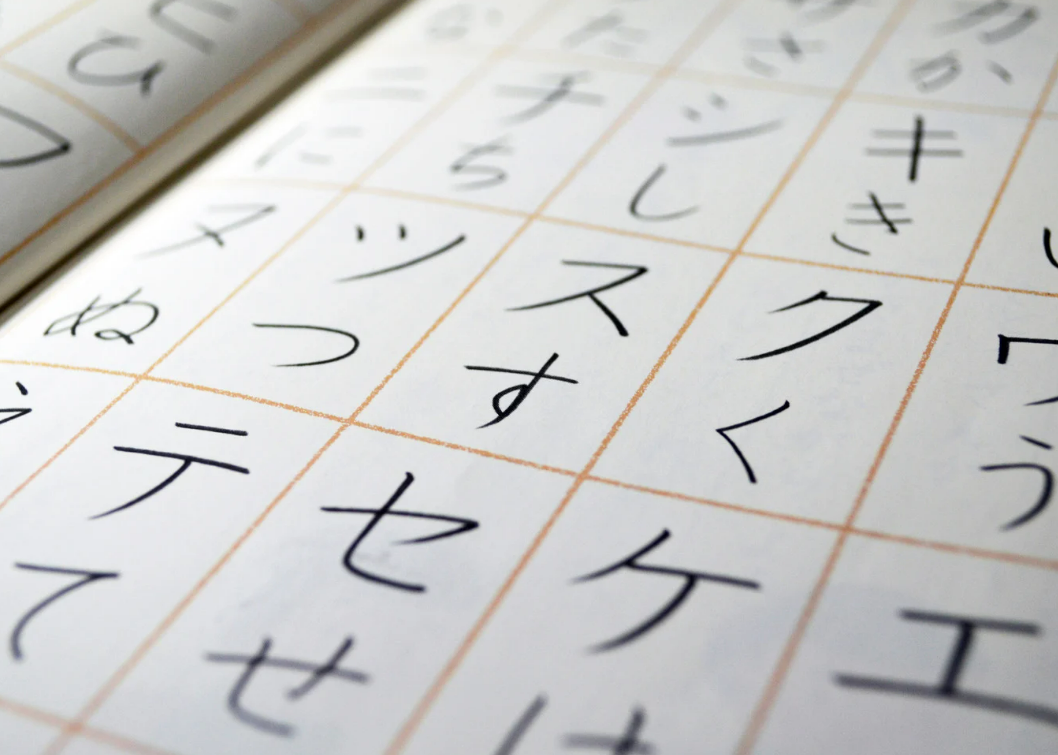
learn japanese effectively

Conclusion

Our time in New York wasn’t just a change of scenery—it became a hands-on way for our family to learn Japanese together. We didn’t follow a perfect schedule, but mixing formal classes, bookstore visits, and everyday conversations helped bring the language to life for my kids (and even me).

If you’re visiting NYC for a few weeks or staying longer, there are plenty of low-stress, family-friendly ways to learn Japanese without feeling overwhelmed. Start small—join a language meetup, borrow a kids’ book in Japanese, or just say “konnichiwa” at the next cultural event. It’s a fun, flexible way to keep curious minds growing—even on a short stay.

A simple plan might include:

Focus Area Example Activity
Speaking Join weekly conversation meetups
Reading Practice short news articles or stories
Writing Keep a short daily journal in Japanese
Listening Watch shows or listen to podcasts with subtitles

By combining steady practice, community interaction, and personal motivation, learners in New York can steadily build confidence and fluency in Japanese.

Planning a Family Ski Trip to Pamporovo? Here’s How to Keep It Stress-Free

0 · Nov 7, 2025 · Leave a Comment

Planning a Pamporovo ski holiday with kids sounds like a dream. Soft snow drifting down, cosy layers wrapped around tiny, excited faces, and mountains that look like they were made for postcards. But any parent who has done it before knows the real story behind that dreamy picture. There are bags to pack, winter gear to sort, schedules to manage, and a long travel drive from Plovdiv airport, where comfort becomes the biggest challenge.

And when life already feels busy, planning another ski trip can seem like too much. But here is the good news. It only takes a few thoughtful steps to make everything smoother. With the right choices, your Pamporovo holiday can feel calm, easy, and genuinely enjoyable. Let’s walk through them so your family arrives rested, warm, and ready for snowy fun.

Keep reading!

Choose the Right Time to Travel

Timing is one of the biggest factors in creating a smooth family trip. Pamporovo has a long ski season, but some weeks feel more relaxed than others, especially when travelling with children. Early January, late February, and early March often have great snow without the heavier crowds.

Family riding ski lift at Pamporovo ski resort

Travelling during quieter weeks helps your family move around easily, avoid long lift lines, and enjoy beginner-friendly slopes without pressure.

Some extra details to check before choosing dates:

● Whether ski schools have openings on your preferred week

● Expected sunlight hours, which affect visibility for kids

● Local event calendars that may influence crowds

Choosing the right window sets the tone for a calmer start.

Prepare for the Journey Before You Pack

Packing for a winter holiday can feel overwhelming, especially with small items, layers, and gear everywhere. Kids often need more comfort-focused pieces than adults, like soft thermals, warm socks, and quick-drying gloves. Laying everything out a day earlier helps prevent last-minute frustration.

Think in layers rather than thickness. Lightweight thermals + fleece + waterproof jackets keep children warm while allowing them to move freely. Preparing outfits in advance also makes mornings faster once you arrive.

Helpful things to prep early:

● A “slope kit” with tissues, lip balm, and hand warmers

● Compact laundry bags for wet socks and gloves

● Labels on kids’ gear to avoid mix-ups at rental shops

A little planning makes a big difference in how smoothly your days unfold.

Consider a Private Taxi Transfer for a Stress-Free Start

For many families, the trip to Pamporovo starts with a flight into Plovdiv and continues with a drive from the airport to the mountain slopes. And while the scenery is beautiful, it can feel overwhelming after a flight. Children are ready to rest, bags feel bulky, and winter roads make the final part of the journey more challenging than expected.

A yellow taxi cab with a roof taxi sign in Pamporovo

This is where a private taxi transfer can make everything easier. A dependable company such as Taxi 2 Ski handles the entire drive from Plovdiv Airport to Pamporovo for you. Their drivers travel this snowy mountain route every day, understand winter conditions, and help with loading your ski gear. So you are not juggling children and luggage at the same time. The door-to-door comfort also lets kids warm up and unwind without waiting in the cold or searching for transport.

Families also appreciate perks such as:

● The option to select a vehicle size that fits everyone.

● A warm interior that helps kids relax.

● A direct ride without multiple stops.

Starting the trip this way helps your family arrive relaxed and ready for the snow.

Keep Kids Comfortable and Entertained on the Trip

The travel day can feel long for children, especially when temperatures shift between airports, cars, and mountain air. Small comforts make a huge difference. Packing a cosy blanket, warm snacks, or familiar toys keeps them grounded and relaxed.

Preparing a small activity bag helps prevent restlessness. Colouring sheets, headphones, audiobooks, or soft toys keep kids occupied without overwhelming them.

Other simple ways to support your kids on the road:

● Have a warm drink in a thermos to help with cold weather.

● Keep one “comfort item” handy, like a favourite plush.

● Use light layers so kids can adjust quickly to temperature changes.

A settled child makes the journey easier for everyone.

Enjoy Pamporovo the Relaxed, Family-Friendly Way

Pamporovo is built for families. The slopes are sunny, beginner-friendly, and forgiving for children still learning their balance. Starting with the easier zones helps kids build confidence at their own pace and reduces the chances of early frustration.

Two people with an umbrella walking on a snowy path

Beyond skiing, the place offers plenty of cosy options for slower moments. Short walks, snow play, warm cafés, sledding areas, and gentle slopes give families freedom to choose how fast or slow their days unfold.

Fun ways to enjoy the resort without rushing:

● Early morning sledding before lessons

● Short scenic walks for family photos

● Afternoon hot chocolate breaks to warm up

Memories are often made during these little pauses just as much as on the slopes.

Wrapping Up

Ski holidays with kids do not have to feel overwhelming. When you prepare well and make travel choices that reduce stress, Pamporovo becomes a place where everyone can truly enjoy themselves. The resort’s quiet charm, sunlit slopes, and family-friendly character make it ideal for creating warm winter memories. With a little planning and the right support, your holiday becomes less about managing the trip and more about enjoying it together.

Fall Colors & Cabin Fires: Where to See the Best Autumn Views in Tennessee

0 · Oct 31, 2025 · Leave a Comment

When fall rolls around in Tennessee, it feels like the entire state slows down to admire the view. The air turns crisp, the trees turn golden, and the mountains look like they’re glowing in every shade of red and orange. It’s the perfect time to pack a sweater, grab a mug of coffee, and explore the state’s most beautiful spots. Whether you love hiking, cozy cabin stays, or scenic drives, Tennessee’s autumn season has something for everyone.

Gatlinburg: The Heart of Fall in the Smokies

If there’s one place that captures the beauty of fall in Tennessee, it’s Gatlinburg. Surrounded by the Great Smoky Mountains National Park, this town is the go-to spot for leaf lovers. The colors here usually peak between mid-October and early November, painting the hills with deep reds and bright yellows.

After a day spent chasing fall colors, there’s nothing better than coming back to a warm, comfortable cabin. For travelers planning a group getaway, Large Cabin Rentals in Gatlinburg offers the perfect fall retreat. Their cabins are spacious and cozy, built for gatherings around the fireplace after a cool day outdoors. Guests can enjoy mountain views from wide decks surrounded by colorful trees, or relax in hot tubs under crisp autumn skies. It’s the ideal setup for families, friends, or retreats looking to soak in everything that makes fall in Gatlinburg special.

Best Autumn Views in Tennessee

Cades Cove: A Valley of Color and History

Cades Cove is one of the most popular spots in the Smokies for a reason. This wide, open valley surrounded by mountains turns into a sea of color every fall. The 11-mile loop road that winds through the cove offers views you won’t forget. You can spot old log cabins, churches, and barns that date back to the 1800s.

If you visit early in the morning, you might catch fog drifting between the trees. In the late afternoon, the sunlight makes the colors glow even brighter. Keep an eye out for deer, wild turkeys, and black bears — they’re often out and about during this time of year. Bring a picnic, find a quiet spot, and enjoy the peace that Cades Cove offers.

Knoxville and the Foothills Parkway

Knoxville makes a great starting point for anyone exploring the Great Smoky Mountains. During fall, the Foothills Parkway nearby becomes a dream drive for anyone chasing color. The road twists along the ridge, offering wide mountain views without the heavy crowds found deeper in the park.

After your drive, stop in downtown Knoxville for a local meal or visit one of the city’s fall festivals. The mix of urban energy and mountain scenery makes Knoxville a great blend of comfort and adventure.

Tips for a Smooth and Memorable Fall Trip in Tennessee

If you’re planning a fall trip, here are tips to make the most of your stay:

1. Book Early — Especially in Popular Areas

Fall is one of the busiest seasons in places like Gatlinburg, Pigeon Forge, and the Smoky Mountains. Cabins, lodges, and hotels often fill up weeks in advance — especially on weekends.

  • What to do: Reserve your stay at least 4–6 weeks ahead.
  • Consider weekdays: Midweek stays offer lower rates and fewer crowds.

2. Plan Around Peak Color

Tennessee’s elevation changes mean that color peaks at different times across the state.

  • Higher elevations (like Clingmans Dome) turn early — sometimes by the first week of October.
  • Lower elevations (like Cades Cove or Knoxville) peak closer to late October or early November.

Check fall foliage maps or local park updates before your trip to time it right.

3. Start Scenic Drives Early in the Day

Scenic routes like the Foothills Parkway and Newfound Gap Road get crowded fast in the fall.

  • Morning drives offer softer light, less traffic, and a better chance to spot wildlife.
  • Bring snacks and a full tank — some areas have limited services once you’re on the road.

4. Dress in Layers

Tennessee fall weather can change quickly. Mornings may be near freezing in the mountains, but afternoons often warm up.

  • Pack layers: Think flannel shirts, light jackets, gloves, and hats.
  • Comfortable shoes are key for hikes or walking tours.

5. Bring the Right Gear

You don’t need fancy equipment, but a few essentials go a long way.

  • Camera or phone with plenty of storage
  • Binoculars for spotting wildlife
  • Map or GPS — cell service is limited in the Smokies
  • Reusable water bottles and trail snacks
  • Blanket or camp chairs for picnic stops

6. Check for Local Events

Many Tennessee towns host fall festivals, farmers markets, or craft fairs this time of year.

  • Gatlinburg Harvest Festival (October)
  • Knoxville’s Fall Festival season
  • Local pumpkin patches and apple orchards

These events are family-friendly and add a local flavor to your trip.

7. Be Bear Aware

Black bears are active in fall as they prepare for winter. While they’re a highlight for many visitors, it’s important to view them safely.

  • Keep food sealed and out of reach
  • Never approach or feed wildlife
  • Use bear-proof containers when camping

Why Fall in Tennessee Is Worth the Trip

There’s something peaceful about Tennessee in the fall. The colors are bold, the air feels fresh, and the views are unforgettable. Whether you’re hiking through Cades Cove, soaking in a hot tub in Gatlinburg, or watching the sunset from a mountain ridge, this season invites you to slow down and take it all in.

What to Consider When Car Renting for Family Trips

0 · Oct 29, 2025 · Leave a Comment

Family road trips sound simple until you add car seats, snack boxes, and tired kids in the back. Picking the right rental car can make the week run smoother for everyone, from toddlers to grandparents. The car is not just transport, it becomes your pantry, nap zone, rain shelter, and memory space. So before you book, it helps to slow down and think through comfort, safety, timing, and price.

Many families in Iceland choose rental cars over bus tours, since driving yourself means quiet breaks and zero shared timetable. Services like Iceland car rentals let you pick up near Keflavik Airport or in Reykjavik city.

Many cars offer online check in and broad insurance, so you spend less time at a counter with cranky kids. The same planning mindset works for any family trip, even if you are just renting a minivan two states away.

Car parked roadside with rainbow backdrop during family trip

Photo by txomcs

Pick A Car That Fits Real Life

Do not judge only by listed seats, judge by real space once you load strollers, duffel bags, and snacks. Many compact cars say five seats, but the middle back seat can feel tight with two child seats beside it.

Look at the trunk number in liters, and ask for photos if you travel with a travel cot or cooler. For Iceland roads with gravel and sudden rain, most parents feel calmer in a small SUV with higher ground clearance.

Check car seat rules before you fly, so you do not argue at the counter with hungry kids watching. In many places, every child under a set weight or height must ride in an approved seat or booster.

Read child passenger safety guidance from the National Highway Traffic Safety Administration, which explains seat stages and proper belt fit. Call ahead or email the rental desk to ask if child seats are available, cleaned, and booked under your name.

Think about fuel type as well, because electric cars save fuel cost but need charge stops that match your route. Most Iceland ring road trips include long rural gaps, so many families like hybrid or diesel cars with longer range.

Ask if the rental includes a spare tire, basic tool kit, and contact number for roadside help. A short question now can prevent a cold wait on a dark shoulder with no buildings nearby.

Plan The Total Cost Before You Book

Families often set a daily rental budget but forget parking fees, fuel price, toll roads, and food during long drives. Write down a simple daily spend number that covers car, fuel, and snacks, then add a cushion for surprise changes.

This helps stop stress talks in the back row later, since everyone knows why stops are short or long. It also gives you room to say yes to small treats, like hot chocolate during a windy rest break.

Ask the rental company to list extra charges in writing, so nothing on the invoice feels random or unfair. Common add ons can raise the bill fast, even when the base rate looked great online last night. You can ask about the following common fees before you hand over your card for payment.

  • Young driver fee for drivers under a set age
  • Extra driver fee for a partner, grandparent, or friend
  • One way drop fee if you end in a different town
  • GPS or WiFi unit rental when your phone has offline maps
  • Roadside coverage upgrade beyond the standard insurance

Before you sign, ask how the insurance works in bad weather, gravel spray, and door dents in tight parking spots. Many Iceland rental companies include broad protection by default, so parents do not need to memorize long policy terms.

Still, ask what counts as normal wear, so you do not pay for sand marks from last night’s storm. Clear answers now save time at drop off, when everyone is tired and wants hotel beds fast.

Think About Pickup, Drop Off, And Timing

Jet lag and hungry kids can turn a simple rental counter visit into an hour of stress, tears, and snacks. Many Iceland rental desks sit near Keflavik Airport and also in Reykjavik city center, so you skip long shuttle lines.

Many also offer online check in and key box pickup, which cuts counter time for kids who only want snacks. Late return choices help too, since you can catch an early flight without waiting for an office to open.

Parking lot with numerous parked cars for family car rental options

Match the car to your plan, not the other way around, and talk through that plan with the family. If day one has long hours, book an automatic, so the driver can watch the road instead of shifting.

If most driving is slow city loops, a smaller car will help with street parking and tight turns near cafes. A short talk like this helps older kids feel included, which usually means less complaining once the ride starts.

Many rental companies in Iceland allow one way trips, so you can start in Reykjavik and finish near Keflavik Airport. This can save a full day of backtracking, which matters with small kids who want home base soon.

Ask early if a one way fee applies, and compare that fee against fuel and time lost driving back. Small math now often beats last hour drama at the airport, when you are juggling bags and boarding times.

Keep Everyone Comfortable On The Road

Kids travel better when you plan for boredom and body needs instead of hoping they nap for hours. Pack a small tote that stays in the back seat with wet wipes, tissues, motion sickness bands, and zip bags.

Pack one small new surprise each day, like a puzzle book or sticker sheet, and give it when moods dip. Cold weather trips call for blankets and thermos cocoa, while hot trips call for cooling towels and extra water.

Long driving days can make adults sleepy, which is risky on unfamiliar roads with wind, rain, or ice patches. The Centers for Disease Control and Prevention shares that drowsy driving slows reaction time in a way close to alcohol.

Plan rest stops every two hours, and swap drivers then, so one person does not carry the whole day. Good rest plans matter as much as cute trip photos, because safe parents mean calm kids in the back seat.

Keep a cleanup kit in the trunk with paper towels, a trash bag, and a clothing change for each kid. One small spill can lead to smells, stains, and cranky moods for hours, so fast cleanup matters.

This also keeps the rental car in good shape for return, which protects your deposit and avoids awkward talks later. Simple routines like this build calm on long days, which helps the whole group end on good terms.

Jeep on dirt road with mountain backdrop for family trips

Photo by Matt Hardy

Final Takeaway

Family car rental planning looks boring on paper, but it often decides how happy the trip feels by day two. Pick a car that fits real bags and bodies, know the full cost, and map pickup and drop points.

Set comfort rules before wheels start rolling, like rest stops, snack breaks, and seat swaps, so everyone feels heard. Do that, and the car shifts from stress source to rolling base, which helps the family share real time together.

  • « Go to Previous Page
  • Page 1
  • Interim pages omitted …
  • Page 23
  • Page 24
  • Page 25
  • Page 26
  • Page 27
  • Interim pages omitted …
  • Page 59
  • Go to Next Page »

Primary Sidebar

Heather from Whipperberry
Hello... my name is Heather and I'm the creator of WhipperBerry a creative lifestyle blog packed full of great recipes and creative ideas for your home and family. I find I am happiest when I'm living a creative life and I love to share what I've been up to along the way... Come explore, my hope is that you'll leave inspired!

Footer

  • Privacy Policy
  • Crafts
  • Food
  • Gifts
  • Holidays
  • Home
  • Mom Life
  • Recipes
  • Travel

Copyright © 2026 · Seasoned Pro