• Skip to primary navigation
  • Skip to main content
  • Skip to primary sidebar
  • Skip to footer

Whipperberry

WhipperBerry • Your Home For Creative Inspiration

  • Home
  • Recipes
    • Starters
    • Easy Weeknight Dinners
    • Main Dish
    • Salads
    • Side Dish
    • Soups & Stews
    • Desserts
    • Breakfast
    • Miscellaneous
  • Tutorials
    • Creative Crafts
    • DIY Decor
    • Fabric Crafts
    • Food How-To
    • Jewlery
    • Paint Projects
    • Paper Art
    • Party Styling
    • Photography and Graphic Design
    • Silhouette
  • Holidays
    • Easter
    • Mother’s Day
    • Father’s Day
    • 4th of July
    • Halloween
    • Thanksgiving
    • Christmas
    • Valentine’s Day
  • Gift Ideas
    • Gifts For Everyone
    • Gifts for Dad
    • Mother’s day
    • For The Girls
    • For The Kids
    • Teacher Gift Ideas
    • Christmas
  • Printables
    • Holiday
    • Gift Idea
    • LDS Primary
  • Travel
  • About
    • Terms
  • Contact
  • Nav Social Menu

    • Facebook
    • Instagram
    • Pinterest
    • RSS
    • Twitter

Crafts

Essential Tools and Templates for Wedding Budgeting – for Moms Helping Plan a Meaningful Day

0 · Dec 23, 2025 · Leave a Comment

Planning a wedding is exciting, but it can also feel overwhelming, especially for moms who are balancing family life, work, and everyday responsibilities. Whether you are helping your child plan their wedding or supporting them behind the scenes, keeping costs organized makes a big difference.

A clear wedding budget helps families make thoughtful choices without added stress. It keeps spending in check, sets realistic expectations, and allows everyone to focus on what truly matters. With the right tools and templates, managing wedding expenses becomes much easier, even during an already busy season of life.

Why a Wedding Budget Matters

Every couple starts out with a vision for their wedding, but not every couple starts out with a plan for how much that vision will cost. That’s where a budget comes in. It helps you set spending limits, track your payments, and avoid last-minute financial stress.

Budgeting also forces you to prioritize. It helps you focus your money on the things that matter most—whether that’s the dress, the food, or the photography. Without a budget, it’s easy to lose track and overspend in areas that weren’t even on your radar at first.

More importantly, a wedding budget is about setting boundaries so you don’t enter your new life together carrying unnecessary debt. If you do need some financial support to bridge the gap between your savings and your plans, a wedding loan may be a helpful option. When used thoughtfully, it can offer flexibility without putting pressure on your long-term finances.

wedding budget

What to Include in Your Wedding Budget

Before you dive into tools and spreadsheets, it’s important to understand what should go into your budget. Most weddings include the same core categories:

  • Venue and rentals
  • Catering and drinks
  • Attire and accessories
  • Photography and video
  • Flowers and decorations
  • Entertainment
  • Invitations and stationery
  • Transportation
  • Favors and gifts
  • Officiant fees

Also, remember the extras. Things like tips, vendor travel fees, overtime charges, or setup costs are often forgotten but can make a noticeable difference in your final total.

Set aside a contingency fund, usually 5 to 10 percent of your overall budget—for unexpected expenses. It’s much easier to prepare for the unexpected than to scramble when a surprise pops up.

Best Digital Wedding Budgeting Tools

Many couples today rely on digital tools to stay organized. Wedding budgeting apps and spreadsheets offer convenience, automation, and real-time tracking. Most allow you to categorize spending, log payments, and compare estimated versus actual costs.

Some of the best features to look for include:

  • Customizable categories
  • Alerts for due dates or overspending
  • Shared access for both partners
  • Mobile-friendly dashboards
  • Integration with guest lists and vendor contacts

These tools remove a lot of the guesswork and make it easier to stay on track, especially as the wedding date gets closer and tasks start to pile up.

Free Wedding Budget Templates to Download

If you prefer working in spreadsheets or want a printable version, there are plenty of free wedding budget templates available online. Many are built in Excel or Google Sheets, and they come preloaded with standard categories and formulas.

These templates are ideal for couples who want more control over their budget layout. They’re also easy to edit and personalize to match your event.

Look for templates that include:

  • Budgeted vs actual spending columns
  • Automatic calculation of totals
  • Pre-set categories and subcategories
  • Space for payment due dates and notes

You don’t have to be a spreadsheet expert to use these. They’re usually designed to be beginner-friendly while still offering plenty of depth for those who want to track everything in detail.

How to Use These Tools Effectively

Choosing a tool or template is only the first step. The key to successful wedding budgeting is using it regularly.

Start by entering your total budget and estimated amounts for each category. Then, as you make decisions, input actual costs and update them as you go. Keep track of payments made and outstanding balances.

Review your budget weekly to stay on top of changes or new expenses. If something runs over, adjust other areas to make up for it. This keeps the overall budget intact and prevents overspending from creeping in unnoticed.

It’s also important that both partners are involved. Make budgeting a shared process so you’re both aware of the financial picture and comfortable with the decisions being made.

wedding budgeting plan

Bonus Tools to Support Your Budget Planning

Beyond budget trackers, there are other tools that can make your wedding planning more organized:

  • Guest list managers: These help you estimate your cost per guest and control catering and seating expenses
  • Vendor comparison sheets: Track quotes, services, and contract terms from different vendors
  • Payment schedules: Keep a timeline of deposits and final payments so nothing is missed
  • Contract logs: Organize your agreements in one place to avoid misunderstandings or surprises

Using these tools alongside your budget gives you a full picture of your wedding finances and helps you make better decisions along the way.

Final Thoughts

Weddings are about celebrating love, family, and new beginnings. A well-planned budget helps protect those moments from unnecessary stress. When finances are organized, families can enjoy the planning process and focus on creating meaningful memories together.

With helpful budgeting tools, simple templates, and open conversations, it is possible to plan a beautiful wedding without feeling overwhelmed. Whether you are contributing financially, offering guidance, or simply supporting your child through the process, a clear budget helps everyone feel confident and prepared. In the end, the most memorable weddings are not defined by how much is spent, but by the love and care behind every choice.

Home Projects That Make Life Comfortable and Add Lasting Value

0 · Dec 23, 2025 · Leave a Comment

As families grow and routines shift, it helps when your home can keep up. Whether it is finding more space, making rooms easier to use, or creating a calmer atmosphere, the right home projects can make everyday life smoother.

For busy families in places like Tampa, thoughtful changes go beyond looks. They focus on comfort, function, and making your home work better for the people who live in it. In this guide, you will find practical ideas that help your home feel more welcoming, organized, and ready for whatever life throws your way.

Bathrooms That Support Comfort and Style

Bathrooms are among the most influential spaces when it comes to lasting home value. A well-designed bathroom combines comfort, efficiency, and a calming atmosphere. Modern layouts often emphasize openness, better lighting, and thoughtful storage, making the space feel more welcoming and easier to use.

Replacing outdated fixtures with simple, well-chosen elements can refresh the entire room. Improved ventilation, durable surfaces, and smart layout adjustments also play a role in long-term satisfaction. If you live in Tampa, get in touch with a local Tampa bathroom remodeling company to discuss your ideas and get estimates. This step helps turn concepts into practical designs that suit daily routines while maintaining visual balance.

A bathroom that feels clean, organized, and relaxing adds value because it supports daily life in a meaningful way. It becomes a space that serves both function and comfort without relying on excessive decoration.

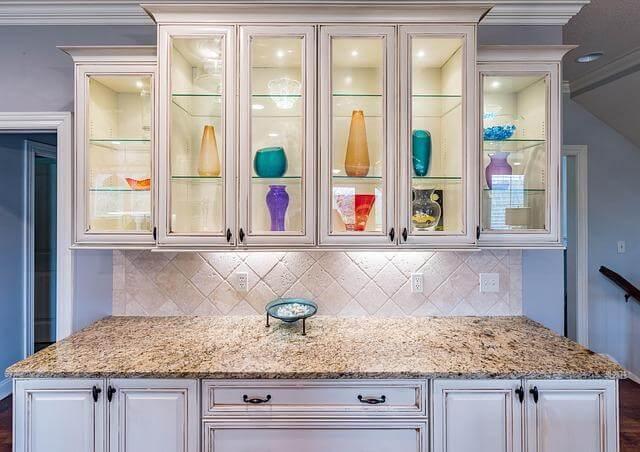
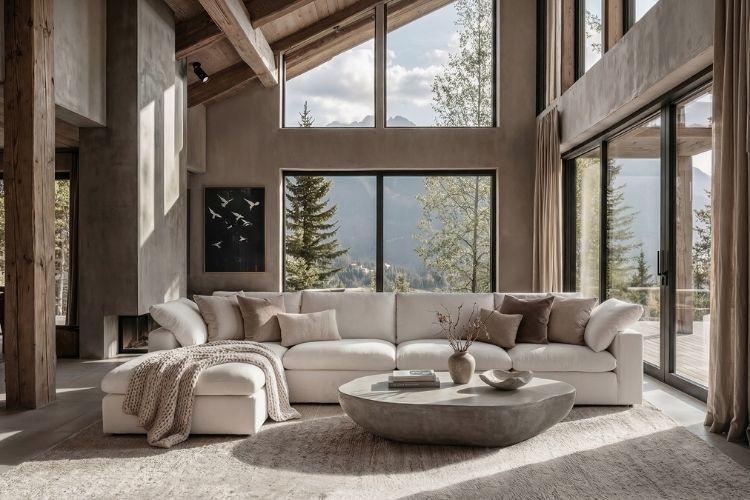
home projects

Kitchen Updates That Enhance Everyday Living

The kitchen plays a central role in daily life, making it one of the most important spaces in the home. It supports everything from meal preparation to shared moments and everyday routines. Transformative kitchen projects emphasize better flow, practical use of space, and a balanced, inviting appearance.

Simple changes like better cabinet organization, updated surfaces, and improved lighting can make a noticeable difference. Open layouts that allow movement and connection to nearby spaces also increase the sense of openness. Durable materials that are easy to maintain help ensure the kitchen remains appealing over time.

A kitchen designed for ease and comfort supports both quiet moments and social gatherings. By focusing on layout and quality rather than complexity, homeowners create a space that continues to feel relevant and inviting for years.

Living Spaces That Feel Open and Inviting

Shared living areas set the tone for the entire home. Projects that enhance these spaces often involve rethinking layout, lighting, and flow. Removing visual clutter and improving how rooms connect can dramatically change how a home feels.

Natural light plays a major role in making living spaces feel larger and more welcoming. Thoughtful placement of windows or light sources can brighten rooms without altering their character. Neutral finishes and balanced proportions also help create a timeless look that adapts to changing styles.

Living spaces that feel comfortable and flexible appeal to a wide range of needs. Whether used for relaxation, entertaining, or quiet reflection, these areas benefit from designs that prioritize openness and ease.

Bedrooms Designed for Rest and Balance

Bedrooms are personal spaces where comfort and calm matter most. Transformative projects in these rooms focus on creating a restful environment through layout, lighting, and storage solutions.

Improved closet organization can reduce visual noise and make daily routines smoother. Soft lighting and balanced color choices contribute to a peaceful atmosphere. Attention to airflow and privacy also enhances the overall experience.

A bedroom that feels organized and serene adds value because it supports well-being. These improvements may seem subtle, but they have a lasting impact on how a home is experienced day after day.

Outdoor Areas That Extend Living Space

Outdoor spaces can become valuable extensions of the home when designed with intention. Projects that improve patios, gardens, or yards focus on usability and comfort rather than decoration alone.

Defined seating areas, smooth pathways, and thoughtful lighting help create outdoor environments that feel connected to the home. Durable surfaces and simple landscaping ensure these spaces remain functional with minimal effort.

When outdoor areas are easy to use and inviting, they encourage more time spent outside. This connection between indoor and outdoor living adds depth to the home and enhances its overall appeal.

Storage Solutions That Improve Organization

One of the most overlooked yet transformative home projects involves storage. Homes that offer smart storage solutions feel more spacious and easier to maintain. Built-in shelving, organized closets, and multi-use spaces help keep belongings in order.

Improved storage reduces clutter and allows rooms to serve their intended purpose more effectively. These changes do not need to be complex to make a difference. Even small adjustments can improve how a home functions.

Homes that feel organized and efficient are more enjoyable to live in. This sense of order adds lasting value by making daily life smoother and less stressful.

Lighting Improvements That Change the Mood

Lighting has a powerful effect on how a home feels. Transformative lighting projects focus on balance, warmth, and flexibility. A mix of general, task, and accent lighting allows spaces to adapt to different needs throughout the day.

Well-placed lighting highlights architectural features and creates a sense of depth. It also improves visibility and comfort without drawing attention to itself. Simple, consistent lighting choices help maintain a cohesive look across the home.

Good lighting supports both function and atmosphere. By improving how light is used, homeowners enhance every room without altering its structure.

lighting

Flooring That Grounds the Home

Flooring connects all areas of a home, making it a key element in long-term value. Transformative flooring projects focus on durability, comfort, and visual continuity. Consistent flooring choices help create a sense of flow between rooms.

Materials that are easy to care for and pleasant underfoot support daily living. Neutral tones and classic textures ensure the flooring remains appealing as styles change. A strong flooring foundation enhances the entire home. It quietly supports other design elements while standing up to everyday use.

Conclusion

A home that supports family life does not need to be perfect, but it should feel good to live in. From better storage and lighting to cozier bedrooms and more functional kitchens, small changes can make a big difference. Each project you take on helps build a space that supports your family’s needs today and as they grow. With a little planning and care, your home can be a place that feels calm, comfortable, and truly yours for the long run.

Built Better: Home Upgrades and Installations That Support Long-Term Comfort

0 · Dec 23, 2025 · Leave a Comment

Comfort at home means more than having pretty furniture or trendy design. For busy families in Bellevue and beyond, long-term comfort comes from making thoughtful home upgrades that support how you live each day with your kids. When your space works well for family routines you spend less time dealing with daily frustration and more time enjoying moments together.

Whether you are adjusting layouts, updating systems, or adding features that improve function, the right upgrades can help your home feel easier to live in and more family friendly. In this guide, we will share simple and practical home upgrades that help create a more comfortable life for your whole family.

Here’s how you can get started:

Understand Why Comfort-Driven Upgrades Matter

A more comfortable environment leads to smoother routines and fewer daily frustrations. Small changes—like improved lighting, better floor plans, or convenient built-ins—can add up quickly. Instead of focusing on visual appeal alone, think about how a space supports rest, movement, and ease.

Upgrades that prioritize comfort also tend to be more energy-efficient and less stressful to manage. You’re not just making things look better—you’re making them work better. Planning ahead and working with experienced remodelers can lead to smart upgrades that stand the test of time. The goal is to invest in features that make everyday living more enjoyable and easier to manage.

Interior Design Services That Put Comfort First

In Bellevue, it’s common to find homes that blend beauty with purpose. Many residents work with full-service design teams that help customize every detail of a remodeling project. A Bellevue interior remodeling company can help with concept planning and 3D renderings to complete remodels that include layout adjustments and finish selections.

Their work covers everything from kitchen redesigns to spa-style bathrooms, offering guidance at each step. They take time to understand your goals, which helps them deliver designs that look good and function even better.

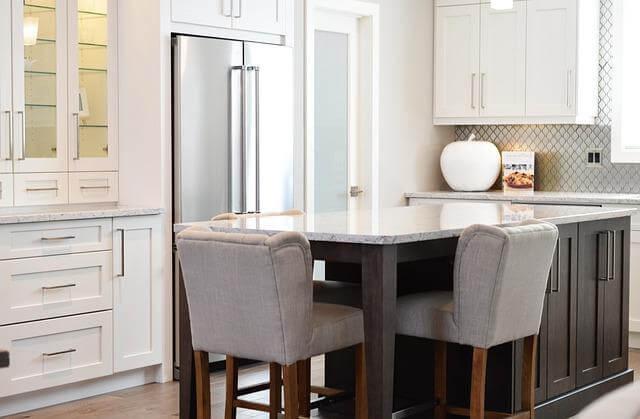
home upgrades

Kitchen Upgrades That Improve Everyday Life

The kitchen is where many people start their remodeling journey. Replacing outdated layouts with open, functional designs can improve everything from meal prep to cleanup. Upgrades like slide-out pantry shelves, soft-close drawers, and motion-sensor faucets make everyday tasks smoother. Adding better lighting, especially under cabinets, can reduce eye strain and help you move around with ease.

Countertops that resist stains and scratches are worth considering if you cook often. Appliances that combine performance with energy savings also contribute to long-term satisfaction. Every element plays a role, so it’s smart to work with professionals who know how to balance style with practical upgrades.

Bathroom Installations That Add Function and Ease

Bathrooms tend to get overlooked until something becomes inconvenient. Simple changes, like replacing a tub with a walk-in shower or adding double vanities, can help reduce clutter and improve your daily routine. Many people also install heated floors or better ventilation to add comfort and control humidity.

Upgrading tile, faucets, and lighting not only enhances appearance but also improves safety. Choosing fixtures with clean lines and easy-to-clean finishes can cut down on regular scrubbing. With the right planning, your bathroom can go from cramped and outdated to functional and relaxing. It’s one of the most valuable areas to upgrade for comfort.

Windows and Insulation: Climate Control You’ll Appreciate Year-Round

Older windows and poor insulation can lead to constant temperature swings and higher energy bills. If you’re tired of cold drafts in winter or hot spots during summer, this is one area that makes a real impact.

Installing double-pane or low-E glass windows helps manage indoor temperatures while reducing outside noise. Insulation upgrades—whether in walls, attics, or floors—can also improve comfort and lower costs over time. These updates make your space feel more stable and pleasant all year. You don’t need major renovations to notice the effects. Even moderate upgrades in this area can support more comfortable, efficient living.

Flooring That Feels Right and Lasts Longer

Flooring sets the tone for every room and plays a key role in how your space feels. Durable options like luxury vinyl plank, tile, or engineered hardwood can handle daily wear and still look great. Choosing materials that resist scratches and moisture will save time and stress down the road.

Comfortable underfoot textures and low-maintenance finishes are ideal if you have kids or pets. Don’t forget the importance of good subflooring—especially in kitchens or bathrooms where water is a concern. With proper installation, quality flooring helps your space stay cleaner, quieter, and more enjoyable to move through every day.

Smart Home Features That Keep It Simple

Smart technology is more than just a trend. It’s a practical way to make life easier. Devices like Wi-Fi thermostats, app-controlled lights, and smart door locks offer added convenience and peace of mind. You can program your lighting to follow your schedule or adjust temperatures remotely, even while you’re away.

Smart outlets and sensors help monitor energy use and add safety to your daily setup. These tools are easy to install and often integrate well with existing systems. By bringing more control to your living spaces, you reduce the hassle and increase long-term usability without overcomplicating things.

smart technology

Better Layouts for Flexible Living

Your space should support how you live—not get in the way of it. That’s why layout changes can be such a powerful upgrade. Maybe it’s time to remove a wall that blocks light, or turn an unused formal dining room into a home office or creative studio.

Creating flexible zones gives you more ways to enjoy your environment without expanding the footprint. Whether you want open-concept living or dedicated quiet zones, adjustments to flow can make your space feel bigger and more accommodating. This kind of redesign isn’t about chasing trends—it’s about creating areas that fit your life.

Conclusion

Making your home more comfortable for your family does not happen by accident. It takes thoughtful upgrades that help your space support everyday life now and in the future. Whether you are refreshing a bathroom, opening up your floor plan, or adding smart features that make daily tasks easier, each improvement can make a real difference.

You don’t have to do every project at once. Even small changes, when chosen with care, can help your home feel more relaxing, functional, and ready for family memories. With a solid plan and support from trusted professionals, your home can become a place that feels great for your family today and for years to come.

Convection or Conventional – Which Fits Your Kitchen?

0 · Dec 23, 2025 · Leave a Comment

When deciding on the type of oven to use, it’s important to understand that there are two distinct categories; convection or conventional. While both types perform the same tasks, one may suit your individual needs better than the other depending on factors such as the size of your kitchen, how often you cook and what you expect from the oven. The following article compares and contrasts these two types of ovens.

How Each Oven Works

In a convection oven, air is heated from all directions equally, which creates an even cooking environment. In conventional ovens, heat is radiated and creates hot spots.

Food cooked in a convection oven will brown quicker and more evenly due to the movement of air. With conventional options, the area above the food is hotter than the area below, and the food on top is browner than the food below.

A small amount of moisture will be lost with convection ovens but conventional ovens help maintain moisture

Match the oven to what you cook most.

Convection or Conventional Oven

Photo by ready made on Pexels

Roasting vegetables

When roasting vegetables, convection usually gives you the best result when you’re looking for a crispy edge on your caramelized vegetables. The movement of air through the convection fan helps to remove the moisture from the surface of the vegetable, thus promoting more even caramelization.

Baking

Convection ovens bake bread and pastry products more evenly than a traditional oven, but there is a risk of drying out, or setting too early. Thin, light-weight items are better suited for conventional baking, while thicker and heavier items are better suited for traditional ovens.

Reheating

Convection ovens help re-heat leftovers like roast chicken, pizza, and French fries, without sogginess.

Slow Cooking

The ideal choice for slow and forgiving (set-it-and-forget-it) cooking is conventional oven because it provides the same predictable performance that people have come to expect from standard-sized oven units.

Space, Budget and Real Life Issues

A full-sized convection range oven generally occupies the same area on your countertop as a conventional oven. However, its cost is typically greater. If the available area in your kitchen is limited, small countertop convection ovens may be a better option for you.

Countertop convection ovens perform the same functions as larger ones. You will want to look into an assortment of professional convection ovens online to determine how they stack up against one another based on your need for usable workspace, watts used, and the dimensions of the racks.

A conventional oven is a great option if you’re looking to lower your initial investment in an oven. While the upfront cost may be higher, in time you will save on utility and food expenses.

Affordable countertop convection ovens provide the necessary workspace to bake while being significantly cheaper than physically constructing or renovating a full size kitchen particularly in a rental property or RV.

Here are some specifications that will affect how you will use your compact or countertop convection oven on a daily basis:

  • What’s the internal capacity? Will it fit a quarter size sheet pan, or a small roast?
  • How strong is the fan? A more powerful fan will move the hot air in the oven around more evenly and produce more even cooking and baking results
  • What is the range of temperatures?
  • Do you have multiple rack positions for baking? The more rack position options available, the more versatile the countertop convection oven can be
  • What is the footprint vs. output of the unit? If a countertop convection oven has a large footprint but produces low volume output, it may not be the right option.
oven

Which Type of Oven is Best for You?

Select a conventional oven if:

  • You bake often
  • You prefer a simple design and lower initial investment
  • You’re familiar with rotating baking sheets and making adjustments due to your own kitchen’s ‘hot spots.’

Select a convection oven if:

  • You frequently cook, roast, or reheat food
  • You expect to be able to cook your dishes fast, especially in a smaller kitchen

Endnote

Since every individual has different requirements for a home kitchen appliance, no type of oven will work for every customer. For instance, conventional ovens provide a dependable way to cook food, while convection type ovens heat food via the use of heated air being blown around, to allow users to prepare food at a faster rate using less energy than traditional ovens. A customer’s cooking habits and their available workspace will determine which type of oven best serves them.

Your Backyard Has So Much Potential: Outdoor Upgrades That Instantly Change How Your Home Feels

0 · Dec 22, 2025 · Leave a Comment

Most homes have a hidden asset. It’s not the guest room or the garage. It’s the backyard.

For many people, the backyard exists but isn’t used. It becomes background noise—something you look at through a window, not a space you actively enjoy. That’s a missed opportunity. With a few intentional upgrades, your backyard can change how your entire home feels, day to day.

Not someday. Not after a complete renovation. Instantly.

This article walks through practical, high-impact outdoor upgrades that improve comfort, function, and atmosphere—without overcomplicating the process.

The Most Underrated “Room” of Your Home

The backyard is often treated as optional. Inside spaces get priority. Furniture, paint, decor, lighting—those decisions feel urgent. Outside, things get postponed.

The irony is that the backyard can influence your quality of life more than almost any other space. It affects how you relax after work, how you host people. How often do you step away from screens? Even if your home feels open or closed.

The key shift is this: stop seeing the backyard as an accessory. Start treating it like another room. When you do, upgrades become more precise and more purposeful.

outdoor upgrades

Start With How You Want the Space to Feel

Before buying anything, decide what role the backyard should play in your life.

Do you want it to feel calm and restorative? Social and welcoming? Practical for everyday use? A space for slow mornings, or one for weekend gatherings?

This matters because the goal isn’t to copy a trend. It’s to create a feeling you’ll want to return to. Thoughtful backyard outdoor living services can help translate that feeling into a layout, materials, and details that actually support how you live.

Many backyards fail not because they lack features, but because they lack intention. Furniture is scattered. Lighting is harsh or missing. Nothing feels anchored. When you design around a specific feeling, even minor upgrades feel cohesive.

Backyard Upgrades That Instantly Change Everything

This is where transformation happens. These upgrades don’t require a complete redesign, but they do require thought.

Outdoor Lighting That Sets the Mood

Lighting is one of the fastest ways to change how a space feels.

During the day, most backyards look fine. At night, they fall apart. Darkness flattens the space. A single overhead light creates glare rather than warmth.

Layered lighting solves this. Soft string lights introduce ambiance. Pathway lights add structure. Small accent lights highlight plants or architectural features.

The result is subtle but powerful. The backyard feels intentional. Calm. Inviting. It becomes a place you want to step into after sunset, not avoid.

Defined Zones Create Instant Function

An undefined backyard feels awkward. People don’t know where to sit or stand. Everything blurs together. Creating zones fixes this immediately.

A dining area signals shared meals. A lounge area suggests rest and conversation. A small corner with two chairs invites quiet moments. You don’t need walls—just visual cues. Furniture placement, outdoor rugs, planters, or changes in texture can define space.

Once zones exist, the backyard feels larger and more usable. Movement becomes natural. Purpose becomes obvious.

Seating That Invites You to Stay

Seating is often chosen for looks rather than comfort. That’s a mistake. If chairs are stiff or poorly placed, people won’t linger. You won’t either.

Upgrading seating doesn’t mean replacing everything. Sometimes it’s as simple as adding cushions, throws, or rearranging furniture to face inward rather than outward. Conversation matters. Comfort matters more.

Built-in benches can feel grounded and permanent. Movable furniture offers flexibility. Both work when chosen intentionally.

Good seating turns the backyard from a pass-through space into a destination.

Landscaping With Restraint, Not Excess

Landscaping doesn’t need to be complex to be effective. A few well-placed plants can soften hard edges and add life. Planters allow control and flexibility. Raised beds introduce structure. Even a single tree or vertical garden can shift the atmosphere.

The goal isn’t density. It’s a balance. Greenery changes how a space feels emotionally. It lowers visual noise. It creates calm. And when appropriately maintained, it enhances the space without demanding constant attention.

Shade and Privacy Multiply Comfort

A backyard without shade or privacy is less usable. It works only at certain times of day, if at all.

Shade solutions—like umbrellas, pergolas, or sail shades—extend the life of the space. Privacy screens, fencing, or tall plants create a sense of enclosure without isolation.

These upgrades don’t just add comfort. They add confidence. People relax more when they feel protected from harsh sun and unwanted exposure.

Engage the Senses to Make the Space Feel Complete

A backyard feels finished when it engages more than just sight.

Sound matters. A subtle water feature can mask traffic noise. Soft music can set a tone without dominating conversation.

Smell matters too. Herbs, flowering plants, or a fire pit add layers of sensory experience that feel natural and grounding.

Texture is often overlooked. Wood, stone, fabric, and grass all change how the space feels underfoot and at rest. Variety creates warmth. Uniformity can feel flat.

When multiple senses are engaged, the backyard stops feeling staged. It feels lived in.

backyard upgrade

Budget-Friendly Upgrades That Still Feel Intentional

Not every upgrade requires a big spend. Some of the most effective changes are small. Swapping harsh lighting for warm bulbs costs little but changes everything. Adding an outdoor rug can instantly anchor a seating area. Repainting old furniture can refresh the entire space.

The key is knowing where to invest and where to simplify. Spend on comfort and durability. Save on decor that can be changed with the seasons.

Intentional choices always look better than expensive ones made without a plan.

How These Changes Affect Daily Life

A better backyard changes behavior. You step outside more often. You linger longer. You host without stress. You unwind without leaving home.

Over time, this changes how your home functions. The interior feels less confined. The boundary between inside and outside softens. The value isn’t just aesthetic. It’s experiential.

Unlock the Space You Already Own

You don’t need more square footage to improve how your home feels. You need to use what’s already there better.

Start with one upgrade. Lighting. Seating. A defined zone. Build slowly. Let the space evolve with you.

The goal isn’t perfection. It’s usability, comfort, and presence.

Your backyard has potential. The moment you treat it with intention, it starts giving something back.

  • « Go to Previous Page
  • Page 1
  • Interim pages omitted …
  • Page 50
  • Page 51
  • Page 52
  • Page 53
  • Page 54
  • Interim pages omitted …
  • Page 444
  • Go to Next Page »

Primary Sidebar

Heather from Whipperberry
Hello... my name is Heather and I'm the creator of WhipperBerry a creative lifestyle blog packed full of great recipes and creative ideas for your home and family. I find I am happiest when I'm living a creative life and I love to share what I've been up to along the way... Come explore, my hope is that you'll leave inspired!

Footer

  • Privacy Policy
  • Crafts
  • Food
  • Gifts
  • Holidays
  • Home
  • Mom Life
  • Recipes
  • Travel

Copyright © 2026 · Seasoned Pro