• Skip to primary navigation
  • Skip to main content
  • Skip to primary sidebar
  • Skip to footer

Whipperberry

WhipperBerry • Your Home For Creative Inspiration

  • Home
  • Recipes
    • Starters
    • Easy Weeknight Dinners
    • Main Dish
    • Salads
    • Side Dish
    • Soups & Stews
    • Desserts
    • Breakfast
    • Miscellaneous
  • Tutorials
    • Creative Crafts
    • DIY Decor
    • Fabric Crafts
    • Food How-To
    • Jewlery
    • Paint Projects
    • Paper Art
    • Party Styling
    • Photography and Graphic Design
    • Silhouette
  • Holidays
    • Easter
    • Mother’s Day
    • Father’s Day
    • 4th of July
    • Halloween
    • Thanksgiving
    • Christmas
    • Valentine’s Day
  • Gift Ideas
    • Gifts For Everyone
    • Gifts for Dad
    • Mother’s day
    • For The Girls
    • For The Kids
    • Teacher Gift Ideas
    • Christmas
  • Printables
    • Holiday
    • Gift Idea
    • LDS Primary
  • Travel
  • About
    • Terms
  • Contact
  • Nav Social Menu

    • Facebook
    • Instagram
    • Pinterest
    • RSS
    • Twitter

Crafts

What Makes a Neighborhood Safe? Key Factors Every Family Should Know

0 · Mar 27, 2026 · Leave a Comment

A neighborhood is considered safe when residents can live, work, and play without fear of crime or harm. Key factors that contribute to safety include low crime rates, strong community engagement, well-maintained streets and lighting, access to emergency services, and quality schools and public spaces.

These elements work together to create an environment where people feel secure, supported, and able to enjoy daily life with confidence. Many homebuyers and renters often search for the safest neighborhoods when choosing where to live. While crime statistics are an important part of the evaluation, safety also depends on other factors such as community involvement, infrastructure, and local resources.

Understanding these elements can help individuals and families make better decisions about where to settle.

What are the Key Factors That Contribute to a Safe Neighborhood?

Several important elements work together to create a neighborhood where residents feel protected and supported.

Low Crime Rates

One of the most obvious indicators of a safe neighborhood is a low crime rate. Communities with fewer reports of theft, violence, or vandalism tend to provide a more secure environment for residents and their families. Reviewing local crime statistics or police reports can help you understand how often incidents occur in the area.

Consistently low crime levels often suggest that the neighborhood is well-managed and closely monitored. Visiting the area at different times of day can also give you a firsthand sense of how safe it feels.

Strong Community Engagement

Neighborhoods where residents know each other and stay connected often experience higher levels of safety. Community watch programs, local events, and active communication among neighbors can help people look out for one another and quickly report suspicious activity.

When residents take an active role in their community, it creates a stronger sense of shared responsibility. This type of involvement can make it easier to prevent problems before they escalate. Getting involved in neighborhood groups or attending local meetings can help you understand the level of engagement in the area.

Good Street Lighting and Infrastructure

Well-lit streets, maintained sidewalks, and clearly marked roads improve safety for both pedestrians and drivers. Proper lighting can also discourage criminal activity by increasing visibility at night. Good infrastructure also reduces the risk of accidents and injuries caused by poorly maintained roads or walkways.

Neighborhoods that invest in maintenance often show a stronger commitment to resident safety. Checking for consistent maintenance and reporting issues can help ensure ongoing safety in your community.

Access to Emergency Services

Quick access to police stations, fire departments, and hospitals can significantly improve a neighborhood’s safety. Fast response times from emergency services provide residents with peace of mind and better protection during emergencies.

Areas located close to these services may receive quicker assistance when incidents occur. This level of accessibility can make a major difference in urgent situations. Familiarizing yourself with local emergency numbers and routes to hospitals can further enhance preparedness.

Quality Schools and Public Spaces

Neighborhoods with well-maintained parks, schools, and recreational areas often attract families and promote community involvement. These shared spaces encourage positive social interaction and contribute to a safer overall environment.

When public areas are regularly used and cared for, they are less likely to become neglected or unsafe. Active public spaces also help build stronger relationships among residents. Visiting these spaces and observing how residents interact can give insight into the community’s safety and cohesion.

Final Takeaways

  • Safe neighborhoods are shaped by multiple factors, including crime rates, infrastructure, and community involvement.
  • Low crime levels are a key indicator that a neighborhood provides a secure environment for residents.
  • Strong community engagement helps neighbors look out for one another and report concerns quickly.
  • Proper lighting, maintained streets, and reliable infrastructure improve safety for both residents and visitors.
  • Access to emergency services and quality public spaces further supports a safe and welcoming community.

Why Night Driving Is Riskier: And How Families Can Stay Safe on the Road

0 · Mar 27, 2026 · Leave a Comment

Driving at nighttime feels fine and calmer because of less traffic, but it comes with notable risks. It is more dangerous than driving during the day. When it is dark, drivers are unable to see road signs, pedestrians, or sudden hazards as clearly as they can during the day. These terrifying conditions maximize the risk of serious accidents and make nighttime travel more challenging.

This often raises the question, “Are crashes more common at night?” Since more people are on the road during the day, it might seem that accidents would be more frequent or serious. However, driving at night is actually more dangerous. Reduced visibilitie with limited lighting, long-distance travel, and fatigued drivers contribute to the severe fatality risks.

Families can reduce these risks by taking simple precautions, such as ensuring headlights and brakes are working properly, avoiding late-night driving when fatigued, maintaining safe speeds, and staying extra alert for pedestrians and unexpected hazards. Planning routes in advance and minimizing distractions inside the vehicle can also improve safety.

By learning the main dangers related to nighttime driving and the factors that increase accident risk, families can take simple precautions to stay safe while driving after dark.

Why Is Night Driving More Dangerous?

Night driving becomes riskier because many factors blend to make the road environment more challenging for drivers. Reducing visibility, driver fatigue, and minimal reaction time can make it more problematic to avoid devastating dangers.

Key reasons to understand that night driving is more dangerous than daytime driving:

  • Darkness leads to reduced visibility
  • High-beam glares from the headlights of opposite vehicles
  • Increased driver fatigue during late hours
  • Higher chance of drunk or impaired drivers on the road
  • Hard to spot pedestrians, cyclists, or animals

Because of these conditions, drivers often require more time to react to hazards at night than they do during the day.

Understanding Key Factors That Make Night Driving Riskier than Day Driving

Here are the key factors that clearly explain why terrifying accidents are more likely to happen during nighttime hours than during daytime hours.

1. Reduced Visibility

The first and foremost factor that acts during nighttime driving is darkness. At night, drivers rely mainly on headlights to see the road. Even with headlights, the visible distance is much shorter compared to daylight. This makes it difficult to see sudden obstacles, curves, or road signs on time.

2. High-Beam Headlight Glare

The headlights contain a high- and low-beam system that provides essential, specialized illumination for different driving conditions. At night, compared to a low beam, a high beam gives much visibility, but it impacts vehicles in the opposite direction and makes drivers temporarily blind. It causes discomfort, and it sometimes leads to increased accident risks.

3. Driver Fatigue

Many people drive at night after a long day of work or travel. Tired drivers often have slower reaction times and minimal focus. Fatigue can also lead to microsleep, where a driver briefly falls asleep without realizing it.

4. Higher Risk of Impaired Driving

Late evening and nighttime hours often see more drivers operating vehicles under the influence of alcohol or drugs. Impaired drivers usually have slower reaction times, poor judgment, and difficulty controlling their vehicles.

5. Harder to See Pedestrians and Cyclists

Due to reduced visibility, pedestrians, cyclists, and animals are much harder to spot in the dark. Even with streetlights, drivers are unable to notice them until they are very close.

6. Depth Perception and Color Recognition Issues

Human vision is generally challenging to see and observe in low-light conditions. At night, it becomes tougher to judge distance and recognize colors clearly, which can affect a driver’s ability to respond rapidly.

How Families Can Stay Safe While Driving at Night

  • Ensure headlights, brakes, and signals are working properly before driving.
  • Avoid driving when feeling tired, as fatigue can slow reaction time.
  • Maintain a safe speed and keep a proper distance from other vehicles.
  • Stay alert for pedestrians, cyclists, and unexpected road hazards.
  • Plan routes in advance to avoid confusion in low-visibility conditions.
  • Minimize distractions inside the vehicle to stay focused on the road.

Key Takeaways

  • Night driving is more dangerous than day driving, mainly because of reduced visibility, driver fatigue, and impaired drivers.
  • High-beam headlight glare and limited reaction time maximize the chances of accidents.
  • Pedestrians, cyclists, and road hazards are difficult to observe in the dark.
  • Staying alert, maintaining the speed, taking enough rest, and avoiding fatigue can help families stay safer at night.

Why Do Some Cities Have More Car Accidents? A Family Guide to Staying Safe on the Road

0 · Mar 27, 2026 · Leave a Comment

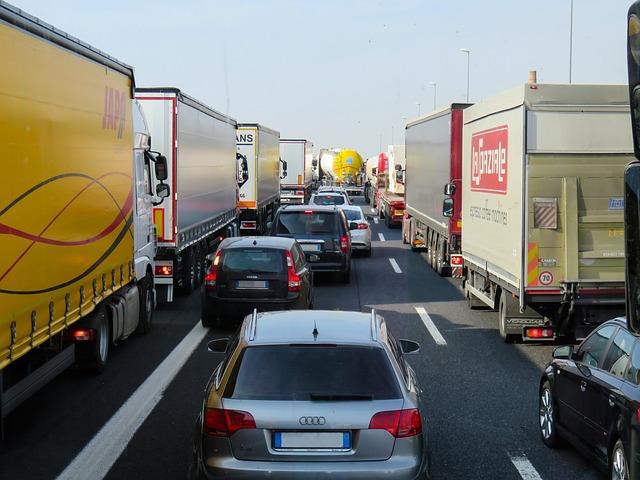
Some cities have more car accidents than others, mainly because they’re dealing with a chaotic mix of heavy traffic, crowded streets, and too much happening at once. When you have hundreds of drivers crammed into a small space, even a tiny mistake can turn into an accident in seconds.

Busy roads and nightmare intersections increase the odds. Urban areas are often where most car crashes happen because of dense traffic and constant road activity.

Family Guide to Staying Safe on the Road

Source: vecteezy

Population Density and Traffic Volume

Population density is probably the biggest factor. The more people live in a city, the more cars you have on the same narrow roads every morning. This is typical of urban areas. It just goes to show that crowded roads increase your chances of collision.

Families can stay safer by allowing extra travel time and avoiding peak traffic hours when possible.

Intersections and Complex Road Networks

Some cities are a potential grid for intersection crashes because streets cross so frequently. Every crossing creates several points where two vehicles could collide. Drivers have to watch the light, check for pedestrians, and keep an eye on other drivers trying to make left turns.

Intersections require quick thinking. A small mistake at a busy intersection leads to a side-impact crash before you can hit the brakes. Taking an extra second to check all directions can prevent serious crashes.

Road Design and Infrastructure

A lot of city streets were designed decades ago when there were half as many cars on the road. Now, those same streets are too narrow or just plain confusing for modern traffic.

Drivers often struggle with faded lane markings and unclear signs. Lack of maintenance is a serious concern. Potholes are more than just a nuisance for your tires; they can make a driver lose control if they hit one at the wrong angle.

Defensive driving helps you react to poor road conditions more safely.

Pedestrians and Cyclists

pedestrian lane

Source: vecteezy

Driving in a city is more complicated than driving down a highway because you aren’t just looking out for other cars. You’ve got cyclists sharing the road with you and pedestrians crossing the street.

Even the most careful driver can miss a person in a crowded shopping district or a school zone. These areas are very active, and they require a higher level of attention. Always scan for pedestrians and cyclists, especially in busy areas or near schools.

Traffic Laws and Enforcement

Finally, the rules matter. Traffic laws and enforcement have a way of influencing accident numbers in cities. Cities with strict traffic laws experience fewer crashes as drivers tend to behave a bit better.

For instance, speed limits and seatbelt laws aren’t just suggestions but are for the safety of drivers. Speeding was a factor in many traffic fatalities. Without enforcement, some people take risks they shouldn’t.

Following traffic laws consistently is one of the simplest ways to reduce risk.

Final Thoughts

Some cities are always going to be busier and more prone to accidents than some other cities. Smarter road design and being more responsible behind the wheel can help bring those numbers down. Even in the most crowded city, a little patience goes a long way.

Key Takeaways

  • More cars (heavy traffic) in one spot equals more chances for a crash.
  • High population puts a massive strain on old road systems.
  • Intersections are the most dangerous spots in any city grid.
  • With a good number of pedestrians and cyclists on the road, it means you have to watch more than just the road.
  • Strict traffic rules go a long way, they help reduce accidents and improve driver behavior.

The Emotional Side of Finding a Forever Home (and Making It Beautiful)

0 · Mar 26, 2026 · Leave a Comment

Buying your forever home is exciting (and stressful) for anyone.

But looking beyond mortgage interest rates and square footage, there’s an emotional side to finding that perfect place to hang your hat. From the stress of searching and closing to making it feel like home… it can really take a toll on your feelings.

Truth be told… there’s actually a lot more that goes into finding your forever home than most people think.

Here’s what’s covered:

  1. The Emotional Rollercoaster of Buying a Home
  2. Why Every Home Sale Should Be A Quick Home Sale
  3. How to Make your New House Feel Like Home
  4. How Your Home Impacts your Mental Health
forever home

The Emotional Rollercoaster of Buying a Home

Homebuying is the most stressful life event of the 21st century.

Actually. According to a recent national study, 53% of home buyers say that buying a home is more stressful than any other major life event. Marriage, changing jobs… even moving itself isn’t as stressful!

What causes homebuying to be so stressful?

Let’s break it down…

Searching for the right house. Dealing with endless paperwork. Inspections. Negotiations. It’s enough to drive anyone insane. Home buyers have even reported losing sleep over finding the right one. And 42% of buyers have had family disagreements because of the homebuying process.

But despite all of that…

Once you finally find that forever home, most buyers would do it all again. Buying a house isn’t just about finding a place to sleep at night. It’s one of the most important steps a family can take towards growing their wealth. When you realize all of the emotions involved with ownership, dealing with stress and anxieties of the process can seem almost worth it.

Hiring the right team to help you understand homeownership and easily buy your dream home can make all the difference. Check out real home buyers testimonials to see how a quick home sale can happen with the right real estate agents on your side.

Why A Quick Home Sale Should Be Everyones Goal

Selling your home as fast as possible is beneficial for everyone.

If you’re buying or selling a house, any anxiety about timelines can usually be resolved with a quick home sale. The less time your home spends sitting on the market, the less you have to worry about things not going according to plan.

Here’s why…

Sitting on the market for too long can make sellers anxious about their pricing. And buyers start to get worried they may not find something they like. So the longer a home sits, the more emotions and anxieties from both sides start to build.

According to a recent survey, 60% of homeowners don’t know if now is even a good time to buy a home. That uncertainty can create a lot of doubt for buyers and sellers.

A quick sale means buyers will feel more confident moving forward with a purchase. And sellers can feel secure in the knowledge they won’t have to go through the process again for a long time.

A fast and efficient home sale means less emotional drama for everyone.

Making Your New House Feel Like Home

Bringing your keys home for the first time is only the beginning…

Making a house feel like home is one of the most satisfying feelings. But what does it really take to make a space feel like yours?

Well, it all comes down to creating your perfect environment.

Sure, picking paint colours and buying furniture are important steps. But if you really want to make your house feel like a home, try these tips:

  • Spend your time (and money) on the rooms you use every day. Don’t fret about finishing that guest bedroom right away. Focus on the kitchen, living room and bedroom first. That’s where you and your family will spend most of your time.
  • Hang family photos, posters and artwork. Add plants and knick-knacks that have meaning to you. These things seem small but they make a huge difference. Your house will feel like a home much quicker if you DIY decorate with things that are meaningful to you.
  • Don’t rush the process. Enjoy turning your house into your dream home.

More than 50% of homeowners tackle renovation projects within the first year of closing on a home. Kitchens and bathrooms are the most common rooms homeowners upgrade. But you don’t have to go crazy with renovations to make your house feel like home.

Sometimes all it takes is a new coat of paint or rearranging the furniture.

new home

How Does Your Home Impact Mental Health?

Did you know that your living space can directly impact your mental health?

Cluttered and chaotic environments can cause higher stress levels and lower your ability to focus. The opposite is also true.

Colour schemes can affect mood and energy levels. Certain colours can make you feel calm or relaxed. Use warm colours like soft yellows to make your space feel cozy and happy. Natural lighting can also affect mood.

Making your home beautiful isn’t just about decorating. When you take the time to design your living space with your family in mind, you’re creating an emotionally healthy environment to live in every day.

Renovations can be stressful. Over 85% of homeowners say they experience some sort of stress when going through a home renovation. But the happiness and satisfaction you’ll feel when it’s done will pay off.

A beautiful home can create emotional benefits for you and your family like…

  • Lower daily stress
  • Improved feelings of pride and accomplishment
  • Better connection to your living space
  • An overall happier and healthier state of mental wellbeing

Conclusion

Purchasing your forever home isn’t all sunshine and rainbows.

The process is stressful, emotional and sometimes downright scary. But so is every other step you take towards improving your financial position.

Taking the time to find the perfect home for you and your family is the best emotional investment you’ll ever make. Not only will you feel amazing walking into your dream home for the first time, but you’ll soon realize that how your home is designed can affect your mood and mental health every day.

Accelerating the home sale process with a real estate team you trust helps reduce stress on the front end. And investing in your home by making it beautiful will have emotional benefits for you and your family long after renovations are complete.

5 Sheet Pan Chicken Dinners for Busy Nights

0 · Mar 26, 2026 · Leave a Comment

Food recipes outperform all other forms of content shared on social media in popularity, with 51% of users preferring to see tasty treats prepared by influencers. Home cooks looking to escape the dreaded sink full of dishes will love sheet pan recipes in particular, and there are many examples to consider.

The transition from a cluttered countertop to a clean kitchen depends entirely on the strategy you use before the oven preheats. Most families struggle with the 6:00 PM rush because they treat every ingredient like a separate project rather than a single, unified tray.

Sheet pan cooking relies on the physics of heat distribution and the timing of moisture release from vegetables. If you crowd the pan, you steam the protein rather than roast it, resulting in a rubbery texture that fails to satisfy. By mastering a few specific combinations, you can turn a chaotic Tuesday into a structured, flavorful evening that requires less than ten minutes of active labor.

Sheet Pan Chicken Dinners

Image Source: Google Gemini

Garlic And Rosemary Thighs

Starting with a foundation of bone-in, skin-on thighs ensures the meat remains juicy even at high temperatures. The natural fats from the chicken render down during roasting, acting as a built-in basting liquid for the surrounding vegetables.

You can follow this delicious rosemary chicken recipe to get the perfect ratio of aromatic herbs and garlic cloves for a savory profile. Green beans and halved baby potatoes serve as the ideal companions for this dish because they reach peak tenderness at the same time the chicken hits its safe internal temperature. You should toss the vegetables in the rendered schmaltz halfway through the timer to ensure every bite carries that deep, roasted garlic essence.

Lemon Pepper And Asparagus

Lemon pepper seasoning offers a bright, acidic contrast to the heavier fats found in traditional poultry dishes, and can be a good choice if you’re looking for fresh spring recipes. For this variation, use thin-cut chicken breasts or tenderloins to ensure the meat does not dry out while the vegetables soften. Asparagus stalks should be trimmed of their woody ends and placed on the outer edges of the pan, where the heat is most intense.

A heavy squeeze of fresh lemon juice over the tray immediately after it leaves the oven creates a light sauce when mixed with the pan drippings. This method prevents the delicate asparagus tips from becoming mushy while keeping the chicken bright and zesty. You will find that the sharp bite of cracked black pepper cuts through the citrus, providing a professional finish without any extra pans.

Smoky Paprika And Sweet Potatoes

Smoky Spanish paprika provides a deep earthiness that transforms basic chicken into something reminiscent of an outdoor barbecue. This recipe works best with cubed sweet potatoes, as their natural sugars caramelize beautifully when paired with the heat of the spice rub. You should cut the potatoes into small, uniform half-inch pieces to guarantee they cook through completely.

  • Red onions sliced into thick wedges add a jammy sweetness to the tray
  • Bell peppers provide a necessary crunch and a pop of color
  • Fresh parsley sprinkled at the end adds a necessary hit of earthiness

The contrast between the soft, sweet potatoes and the chicken’s charred edges creates a complex mouthfeel. Many cooks find that adding a small pinch of cayenne pepper to the dry rub enhances the smoky flavour without making the dish overly spicy for younger children.

Honey Mustard And Brussels Sprouts

Honey mustard acts as both a marinade and a glaze, sealing in moisture while creating a sticky, golden crust on the exterior of the bird. Brussels sprouts are the ultimate partner here, as their bitter notes are perfectly balanced by the sweetness of the honey, and they’re also very healthy. Cut the sprouts in half and place them flat-side down on the metal surface to achieve a deep, nutty sear.

Timing is the most critical element of this specific tray because the sugars in the honey can burn if left too long. You should apply half the sauce at the beginning and the remaining half during the last five minutes of roasting to build layers of flavor.

Honey Mustard And Brussels Sprouts

Taco Spiced Peppers And Onions

Bringing the flavors of a cantina to a single sheet pan is the fastest way to handle a “Taco Tuesday” craving. Use a blend of cumin, chili powder, and onion powder to coat strips of chicken breast and a colorful array of sliced bell peppers. High heat is your friend here, as you want to mimic the sear of a cast-iron skillet without the constant flipping and smoke.

This taco meal is highly customizable because the base ingredients act as a canvas for whatever toppings you have in the refrigerator. After roasting, you can serve the mixture directly from the pan onto warm tortillas or over a bed of cilantro-lime rice for a bowl-style dinner.

Versatile Sheet Pan Fundamentals

The secret to a successful one-pan meal is understanding that not all vegetables are created equal in terms of density. Dense root vegetables like carrots and parsnips require a head start in the oven, whereas leafy greens or zucchini only need a few minutes of exposure to the heat. If you are using a mix of textures, simply add the quicker-cooking items to the pan during the final stage of the process.

You should always use a large, heavy-duty rimmed baking sheet to prevent juices from spilling over and causing smoke in your kitchen. Crowding is the enemy of the crisp; if the ingredients are touching, they will release steam and lose their roasted character. Splitting the meal across two pans is a better strategy than piling everything into a single mountain of food.

These five recipes provide a framework you can adapt to the seasons or to what is currently in your pantry. By focusing on high-quality proteins and vibrant vegetables, you streamline the chore of cooking. For more ways to simplify your weeknight routine, you should check out our other guides on quick meal prep strategies and delicious recipes.

  • « Go to Previous Page
  • Page 1
  • Interim pages omitted …
  • Page 49
  • Page 50
  • Page 51
  • Page 52
  • Page 53
  • Interim pages omitted …
  • Page 483
  • Go to Next Page »

Primary Sidebar

Heather from Whipperberry
Hello... my name is Heather and I'm the creator of WhipperBerry a creative lifestyle blog packed full of great recipes and creative ideas for your home and family. I find I am happiest when I'm living a creative life and I love to share what I've been up to along the way... Come explore, my hope is that you'll leave inspired!

Footer

  • Privacy Policy
  • Crafts
  • Food
  • Gifts
  • Holidays
  • Home
  • Mom Life
  • Recipes
  • Travel

Copyright © 2026 · Seasoned Pro