• Skip to primary navigation
  • Skip to main content
  • Skip to primary sidebar
  • Skip to footer

Whipperberry

WhipperBerry • Your Home For Creative Inspiration

  • Home
  • Recipes
    • Starters
    • Easy Weeknight Dinners
    • Main Dish
    • Salads
    • Side Dish
    • Soups & Stews
    • Desserts
    • Breakfast
    • Miscellaneous
  • Tutorials
    • Creative Crafts
    • DIY Decor
    • Fabric Crafts
    • Food How-To
    • Jewlery
    • Paint Projects
    • Paper Art
    • Party Styling
    • Photography and Graphic Design
    • Silhouette
  • Holidays
    • Easter
    • Mother’s Day
    • Father’s Day
    • 4th of July
    • Halloween
    • Thanksgiving
    • Christmas
    • Valentine’s Day
  • Gift Ideas
    • Gifts For Everyone
    • Gifts for Dad
    • Mother’s day
    • For The Girls
    • For The Kids
    • Teacher Gift Ideas
    • Christmas
  • Printables
    • Holiday
    • Gift Idea
    • LDS Primary
  • Travel
  • About
    • Terms
  • Contact
  • Nav Social Menu

    • Facebook
    • Instagram
    • Pinterest
    • RSS
    • Twitter

Saving Tips

Smart Ways to Stretch Your Family Budget This Year

0 · Jan 28, 2026 · Leave a Comment

Managing a family budget can be a daunting task, especially when life is already full of busy schedules, school activities, and everyday expenses. With so many things vying for your attention, it can be easy to overlook simple changes that can help stretch your budget and save money in the long run. The key to successfully managing your family’s finances is to make small, smart adjustments that add up over time.

Here are some smart ways to stretch your family budget this year and make every dollar work harder for you.

Family Budgeting Tips

1. Start with a Family Budget and Track Your Spending

The first step to managing your family’s finances is creating a clear budget. Having a family budget ensures that you know exactly where your money is going each month. Start by listing all your fixed expenses, such as your mortgage or rent, utilities, and insurance. Then, account for variable expenses like groceries, gas, and entertainment. Once you have a clear picture of your spending, you’ll be able to spot areas where you can cut back.

Tracking your spending is just as important. Keeping an eye on where your money is going helps you make more informed decisions. Use budgeting apps or even a simple spreadsheet to track your expenses. This way, you can adjust as needed to make sure you’re staying on track to meet your financial goals.

family budget tips

2. Use Cash Back and Reward Programs to Your Advantage

One easy way to stretch your budget is to take advantage of cash-back offers and reward programs. Many credit cards and checking accounts offer rewards for everyday spending, from grocery shopping to paying for gas. By using the right financial tools, you can earn points, cashback, or even discounts for your regular purchases.

For example, premium banking rewards programs can help you earn extra value from your daily spending. Many premium banking accounts offer rewards such as cashback on groceries, travel points, or even exclusive offers on certain services. By strategically using these tools for your everyday expenses, you can make your money work harder for you without having to make major lifestyle changes.

3. Cut Down on Monthly Subscriptions and Bills

Subscriptions can quickly add up and eat into your family’s budget. Take a look at all the subscriptions you have, streaming services, gym memberships, magazine subscriptions, and more. Do you use all of them regularly? If not, consider cutting or downgrading some services. You’d be surprised how much you can save by eliminating subscriptions you’re no longer using.

Another way to save is by negotiating your recurring bills. Many companies, from internet providers to insurance companies, are willing to offer discounts or better rates if you ask. It never hurts to reach out and see if you can lower your monthly costs, especially if you’ve been with the same company for a while.

4. Save on Groceries with Smart Shopping

Grocery shopping is one of the biggest expenses for families, but there are plenty of ways to save. The first step is to plan your meals ahead of time. Meal planning not only helps reduce waste, but it also allows you to make more strategic grocery purchases. Instead of buying items on impulse, create a shopping list based on your meal plan and stick to it.

In addition to meal planning, use coupons, take advantage of sales, and use cashback apps to save even more. Some grocery stores even have loyalty programs that give you discounts or reward points for frequent shopping. By combining meal planning with smart shopping strategies, you can drastically reduce your grocery bill.

5. Take Advantage of Free or Low-Cost Family Entertainment

Keeping your family entertained doesn’t have to be expensive. Many cities offer free or low-cost activities, from public parks and museums to community events. Take advantage of these opportunities to spend quality time together without breaking the bank. You can even create your own fun at home by organizing movie nights, game nights, or DIY craft projects.

For larger outings, consider using cashback or rewards points from premium banking accounts to help cover the cost of tickets or activities. Some banks even offer discounts for family-friendly experiences, so it’s worth checking out your account’s benefits before booking an activity.

6. Automate Savings and Set Up an Emergency Fund

One of the smartest financial habits you can adopt is automating your savings. Setting up automatic transfers to a savings account each month ensures that you’re consistently putting money aside without thinking about it. Start small if needed, and increase the amount over time as your budget allows.

Having an emergency fund is essential for any family. Unexpected expenses like medical bills, car repairs, or home maintenance can arise at any time. An emergency fund provides a safety net to cover these costs without dipping into your regular budget or going into debt. Automating your savings is a simple way to make sure you’re prepared for the unexpected.

7. Shop Smart for Big Purchases

When it comes to big-ticket items like appliances, furniture, or electronics, it’s important to shop around and compare prices before making a purchase. Take your time to research options, read reviews, and find the best deals. There are often seasonal sales or promotions that can help you save a significant amount of money.

Another way to stretch your budget on big purchases is to use credit cards that offer rewards or cashback. By using a rewards card, you can earn points or cashback on the purchase, which can help offset the cost in the future. This is an easy way to get more value from your larger purchases.

8. Consider Buying Pre-owned Instead of New

For many purchases such as clothing and fashion accessories, buying new isn’t always the best option. For instance, you can find a lot of pre-owned bags, coats or blazers with exceptional quality that are made by high street or luxury brands at a much lower price.

Conclusion

Stretching your family budget doesn’t require drastic sacrifices. By implementing these smart strategies, from using rewards programs and tracking spending to meal planning and automating savings, you can make your money work harder for you. Small, consistent adjustments can lead to big savings over time, helping you achieve your financial goals without feeling deprived. Start making these changes today, and you’ll see the positive impact on your family’s finances throughout the year.

Planning for Retirement? Simple Ways to Protect Your Family From Probate Delays

0 · Jan 22, 2026 · Leave a Comment

If you’re anything like me, retirement planning can feel like one of those things you know you should do, but it always gets pushed to the bottom of the list. Life stays busy, and thinking about legal paperwork or future decisions just feels like too much sometimes.

But I’ve also seen how a little planning now can make a big difference later, especially for your family. Many wonder why retirement planning feels more complicated than expected. Saving money is only one part of the process. Personal and legal matters also need attention to avoid future problems. When these steps are overlooked, families may face confusion later.

One thing many people don’t realize is how probate delays can create stress and confusion after someone passes. It’s not a fun topic, but knowing how to avoid these delays is one of the kindest things you can do for your loved ones.

Let me walk you through a few simple ways to prepare and give your family the support they’ll need when the time comes.

Creating an Organized Estate Plan Early

Starting early is one of the most effective ways to avoid future problems. An organized estate plan provides clear direction and reduces confusion later. When instructions are written clearly, families know what to do. This prevents disagreements and delays. Early planning also allows time to correct mistakes.

An effective estate plan should include key documents and clear requirements. These may involve wills, asset lists, and beneficiary details. Keeping everything organized helps loved ones act quickly when needed. It also reduces the risk of missing information. Early preparation brings peace of mind and helps retirement planning feel complete rather than rushed.

planning for retirement

Reducing Probate Stress With Professional Support

Probate can feel confusing and stressful, especially during retirement planning. Many delays happen because documents are missing or unclear. Small mistakes can lead to long wait times and additional costs. Professional guidance helps keep everything organized from the start. Clear steps make the process easier to follow. Families feel more prepared when legal details are handled properly. Early support helps reduce stress and avoid common problems.

For example, many retirees choose to work with a local lawyer like a probate lawyer in Vancouver, such as Westcoast Wills & Estates, to simplify the process. This support helps ensure documents are complete and easy to understand. Legal guidance also explains what steps come next. Having a clear plan reduces worry for loved ones. It helps families move forward with fewer delays and fewer unexpected expenses. This preparation allows retirees to feel confident about protecting their family’s future.

Keeping Important Documents Updated Over Time

Life changes, and documents should change with it. Retirement, new assets, or family changes can affect plans. When documents are not updated, confusion can follow. Outdated information may lead to disputes or delay decisions. Regular updates help keep everything aligned with current wishes. This simple habit supports clarity during stressful moments.

Reviewing documents every few years is a helpful habit. This ensures names, instructions, and details stay accurate. Keeping records up to date also makes them easier to understand. Families benefit when instructions reflect the present situation. Staying organized over time reduces risk and supports smoother transitions later. It also helps loved ones act with confidence.

retirement planning

Protecting Assets With Smart Ownership Choices

How assets are owned can affect how easily they transfer. Some ownership structures allow faster transitions. Others may require more steps. Understanding these differences helps retirees plan wisely. Smart choices reduce delays and extra paperwork. Clear ownership decisions support smoother outcomes.

Clear ownership planning supports smoother transfers during already difficult emotional moments. It also helps families avoid confusion when decisions must be made quickly. Reviewing ownership types early allows retirees to make changes when needed. This step works best when combined with other thoughtful planning efforts. Together, these steps create a more complete and reliable retirement strategy.

Avoiding Financial Surprises With Regular Reviews

Regular reviews help people catch small problems before they grow larger over time. Retirement plans should never remain untouched for many years without careful review. Changes in laws, finances, or family situations can affect outcomes significantly. Reviewing plans early helps identify gaps before they create stress. This approach reduces financial surprises later in life. Awareness through review leads to better preparation and stronger decision-making.

Ongoing reviews also support better coordination between important documents and financial plans. Everything stays aligned and easier for families to understand clearly. Families benefit when plans remain clear, current, and well-organized. Regular check-ins keep retirement planning active, relevant, and effective. This habit supports long-term peace of mind for everyone involved. Consistency strengthens results and builds confidence over time. Small reviews today can prevent much bigger problems later.

Conclusion

Retirement planning might not be the most exciting task, but it’s one of the most thoughtful ones. By getting your documents in order and making a few smart choices now, you can protect your family from stress and delays later on.

You do not need to do it all at once. Just taking the first step brings peace of mind and helps you feel more prepared. Your future self, and your loved ones, will be thankful you did.

10 Things Every Home Emergency Binder Needs

0 · Jan 10, 2026 · Leave a Comment

Emergencies rarely give advance notice. Whether it’s a wildfire evacuation, medical crisis, power outage, or an unexpected call from school, having critical information in one place can save time and reduce panic.

That’s where a home emergency binder comes in. In 2025, more households are turning to organized, easy-to-grab binders as part of their preparedness plans and for good reason.

A well-built binder acts as a central hub for information your family might need when stress levels are high and decisions need to be made quickly. Below are 10 things every home emergency binder needs, with practical tips to keep it both functional and family-friendly.

1. Emergency Contacts and Legal Support Numbers

This section should come immediately after your introduction page, so it’s the first thing anyone sees when opening the binder.

Include:

  • Immediate family contact details
  • Out-of-area emergency contact
  • Local police and non-emergency numbers
  • Family attorney or legal aid
  • Trusted neighbors or nearby relatives

For California households, it can also be helpful to include legal support resources for unexpected situations.

For example, families may want a simple reference that explains the local bail process and where to post bail in Riverside County if an emergency arrest occurs. Having this information prepared ahead of time helps avoid frantic searching and reduces stress during an already difficult moment.

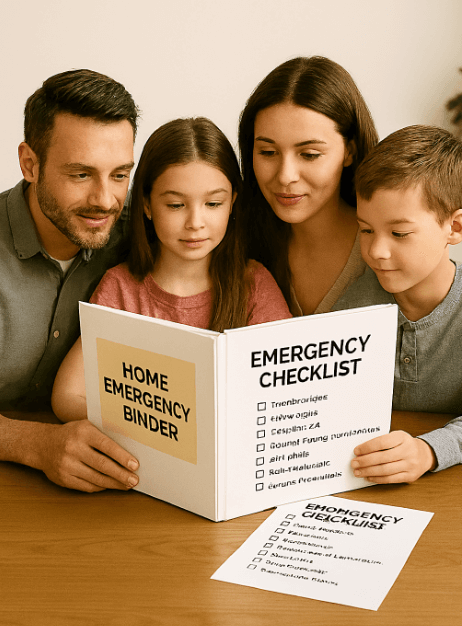
Home Emergency Binder

Source: Copilot

2. Insurance Policies and Claim Information

Insurance paperwork is often scattered across emails, apps, and filing cabinets. In an emergency, you want quick access.

Your binder should include:

  • Homeowners or renters insurance
  • Auto insurance
  • Health insurance cards and policy numbers
  • Photos or PDFs of policy declarations

Tip: Add a one-page summary listing policy numbers and claim phone lines so you don’t have to flip through full documents.

3. Medical Information for Each Household Member

This is especially important for families with children, seniors, or anyone managing a chronic condition.

Include:

  • Current medications and dosages
  • Allergies
  • Medical conditions
  • Primary care physician and pharmacy
  • Copies of insurance cards

Store this section in clear sheet protectors so it can be updated easily as medications change.

4. School and Childcare Pickup Authorizations

During evacuations or unexpected closures, schools and childcare centers will only release children to approved adults.

This section should contain:

  • Copies of pickup authorization forms
  • School and daycare contact information
  • Class schedules and teacher names

If a trusted friend or relative is authorized for pickups, list their contact details clearly.

5. Pet Care Instructions and Records

Pets are often overlooked in emergency planning, but responders or helpers may need clear guidance.

Helpful items include:

  • Feeding schedules and food brand
  • Medication instructions
  • Vaccination records
  • Vet contact information
  • Microchip or license numbers

A short “Pet Care Quick Notes” page can make a big difference if someone else is caring for your animals temporarily.

6. Utility Shutoff Instructions

Knowing how to shut off utilities can prevent further damage during fires, earthquakes, or flooding.

Add:

  • Photos or diagrams showing gas, water, and electrical shutoffs
  • Step-by-step instructions
  • Emergency utility contact numbers

This section is particularly valuable for babysitters, house sitters, or relatives unfamiliar with your home.

7. Evacuation Routes and Meeting Points

In fast-moving emergencies, clarity matters.

Include:

  • Primary and secondary evacuation routes
  • Pre-determined family meeting locations
  • Local shelter information

Consider adding printed maps in case mobile data is unavailable.

8. Copies of Identification and Important Documents

You don’t need originals, but copies can be essential for recovery and verification.

Recommended copies:

  • Driver’s licenses or state IDs
  • Passports
  • Birth certificates
  • Marriage or custody documents

Keep these in a sealed plastic sleeve to protect against moisture.

9. Household Inventory and Photos

A basic home inventory can help speed up insurance claims after loss or damage.

Include:

  • Photos of major rooms
  • Serial numbers for electronics
  • High-value items with receipts (if available)

This doesn’t need to be exhaustive – clear documentation is more important than perfection.

10. Quick-Reference Emergency Checklist

End your binder with a simple, calming checklist that outlines what to grab or do in the first 5–10 minutes of an emergency.

Emergency Checklist

Examples:

  • Grab binder, phones, chargers
  • Secure pets
  • Shut off utilities if safe
  • Contact out-of-area family

Many families design this page with printable dividers or a DIY cover that matches a clean, cozy aesthetic, something in line with WhipperBerry’s style, so the binder feels approachable rather than intimidating.

Final Thought

A home emergency binder isn’t about preparing for worst-case scenarios. It’s about creating calm through organization. When information is easy to find, families can focus on safety, communication, and next steps instead of scrambling for paperwork.

Once assembled, review your binder every six to twelve months to keep details current. It’s a small investment of time that can make a meaningful difference when it matters most.

Should You Put Your Emergency Funds in a Time Deposit? 7 Things to Consider

0 · Jan 7, 2026 · Leave a Comment

Putting together an emergency fund is already a big win—but what should you do with it while it’s just sitting there? One option some might consider is placing that fund in a time deposit account. This makes practical sense, as time deposit accounts offer higher interest rates compared to traditional savings accounts. If you use a time deposit Philippines-based users trust, you’ll quickly see just how much more you can grow your money by making the shift.

But before you lock away your hard-earned emergency fund, it’s important to weigh whether a time deposit fits your needs and lifestyle. After all, time deposits and savings accounts have their differences, and one can be more suitable for a particular purpose than the other. Here are key things to consider to help you make the best decision.

What To Consider Before Putting Your Funds In A Time Deposit

Liquidity

You must have access to your emergency fund at all times so that you can use it when an urgent or unexpected need arises. That means it has to be ready to go, no questions asked, when the time comes. Time deposits, on the other hand, require you to lock your money in for a set period. You can still withdraw early, but there are usually conditions and penalties.

So before you move your emergency savings, ask yourself: If a true emergency happens tomorrow, can I get to my money easily? If not, you might want to reconsider.

Emergency Funds in a Time Deposit

Maturity Period

Time deposits come with different terms, usually ranging from 30 days to one year or even longer. It follows a simple rule, which is that the longer you leave your money in the account, the more interest you earn.

If you’re set on using a time deposit for your emergency fund, go for shorter terms like 30 or 90 days. This way, you won’t have to wait long before your money becomes available again, and you can still enjoy some interest earnings in the meantime.

Early Withdrawal Penalties

Emergencies don’t wait for your time deposit to mature. If you need to break the lock-in period early, then you need to expect that, more often than not, the bank will impose penalties. These could mean losing some or all of the interest you’ve earned. Keeping this in mind, it’s crucial to know what the bank’s policy is before you commit. Some banks are more lenient than others, but in general, expect a financial trade-off if you pull your money out early.

Interest Rates

One of the biggest selling points of a time deposit is its interest rate, which is usually higher than what you’d earn in a regular savings account. But not all time deposits have the same rate, as this component can vary based on the term length and the bank.

Before opening a time deposit, shop around to find the best possible rates. Compare those offered by traditional banks, digital banks, and even cooperatives. Keep in mind, however, that higher rates often come with longer lock-in periods. So, aim for a balance that fits your emergency fund’s purpose.

Split Your Fund

The choice doesn’t have to be to go all-in on an emergency fund account or a time deposit account. A good strategy is to split your funds into two parts. Keep one part in a high-interest digital savings account for immediate access, and place the other part in a short-term time deposit for better earnings. This hybrid approach allows you to grow part of your savings while still keeping some cash liquid for true emergencies. It’s a way to get the best of both worlds, which is earning interest without sacrificing security.

Credibility of the Bank

Your emergency fund should be safe and protected. When choosing a digital bank, pick a bank like Maya that is accredited and regulated by the Bangko Sentral ng Pilipinas (BSP) and covered by the Philippine Deposit Insurance Corporation (PDIC). PDIC insures deposits of up to PHP 1 million per depositor, per bank. This way, even if something happens to the bank, your emergency fund will still be protected up to that limit.

Online Access and Convenience

There are crises that need an immediate financial response. If your bank makes it hard to manage or withdraw your time deposit, you could end up wasting precious time or even missing the chance to respond properly to an emergency. It’s best to look for banks that offer online account management, including the ability to monitor your time deposit and request early termination digitally. The more control you have, the better you’ll be able to respond to urgent needs.

Person saving money in a piggy bank

So, Should You Put Your Emergency Fund in a Time Deposit?

The short answer: It depends. If you already have a comfortable emergency fund and want to grow part of it with minimal risk, putting a portion of the money in a short-term time deposit could be a good idea. You’ll earn more interest than a regular savings account, and if you stagger the terms or maintain access to part of your fund, you can stay flexible in case of urgent needs.

But if you’re still building your emergency fund or if you don’t have a lot of surplus, it might be better to stick with a liquid savings account for now. After all, the main point of an emergency fund is instant access during unexpected situations. You don’t want processes or penalties slowing you down.

In the end, your goal is to strike a balance: growth, access, and peace of mind. If you can do that with a time deposit or a mix of accounts, you’re already one step ahead in managing your financial security.

  • « Go to Previous Page
  • Page 1
  • Page 2
  • Page 3
  • Page 4
  • Page 5
  • Go to Next Page »

Primary Sidebar

Heather from Whipperberry
Hello... my name is Heather and I'm the creator of WhipperBerry a creative lifestyle blog packed full of great recipes and creative ideas for your home and family. I find I am happiest when I'm living a creative life and I love to share what I've been up to along the way... Come explore, my hope is that you'll leave inspired!

Footer

  • Privacy Policy
  • Crafts
  • Food
  • Gifts
  • Holidays
  • Home
  • Mom Life
  • Recipes
  • Travel

Copyright © 2026 · Seasoned Pro