• Skip to primary navigation
  • Skip to main content
  • Skip to primary sidebar
  • Skip to footer

Whipperberry

WhipperBerry • Your Home For Creative Inspiration

  • Home
  • Recipes
    • Starters
    • Easy Weeknight Dinners
    • Main Dish
    • Salads
    • Side Dish
    • Soups & Stews
    • Desserts
    • Breakfast
    • Miscellaneous
  • Tutorials
    • Creative Crafts
    • DIY Decor
    • Fabric Crafts
    • Food How-To
    • Jewlery
    • Paint Projects
    • Paper Art
    • Party Styling
    • Photography and Graphic Design
    • Silhouette
  • Holidays
    • Easter
    • Mother’s Day
    • Father’s Day
    • 4th of July
    • Halloween
    • Thanksgiving
    • Christmas
    • Valentine’s Day
  • Gift Ideas
    • Gifts For Everyone
    • Gifts for Dad
    • Mother’s day
    • For The Girls
    • For The Kids
    • Teacher Gift Ideas
    • Christmas
  • Printables
    • Holiday
    • Gift Idea
    • LDS Primary
  • Travel
  • About
    • Terms
  • Contact
  • Nav Social Menu

    • Facebook
    • Instagram
    • Pinterest
    • RSS
    • Twitter

Crafts

How To Make Throwing A Party That Bit Easier

0 · Sep 12, 2025 · Leave a Comment

Parties are brilliant and exhausting at the same time. They’re expensive and they do take time to organise, but they’re so worth it. Parties make people feel special, they allow us to celebrate our milestones whether that’s a birthday, Easter or a kids Halloween party. If you love the idea of hosting but aren’t sure where to start, or are just looking for ways to simplify the process of throwing a party, read on to find out more.

Plan ahead

A little planning goes a long way when it comes to parties, so you’ll want to sit down and figure out a few things before you jump into the fun bit of thinking about decorations and themes. Decide the scale first because everything else flows from that. Is this a small get together for close friends, a kids party for twenty, or a mixed crowd where grandparents and toddlers will all be underfoot.

Give yourself realistic lead time, if anything’s handmade like party bags or favours give yourself at least three weeks, and if anything’s being ordered from sites like Shein or Temu order earlier than you think because delivery can take time.

These sites are great for themed party decor without spending a lot and you can always give it away when you’re done or reuse it another year. Make a simple checklist and split it into sections: food, decorations, logistics, helpers, and clean up. Tick things off and trust the list. It keeps the brain quiet even when there’s a lot to think about!

throwing a party

Food and who brings what

This is the biggest cost and also where most of the stress comes from, so spend time here. If your budget’s tight, potluck works brilliantly if it suits your crowd. Ask guests to bring a dish, but be specific rather than just saying bring something. Use a sign up message or shared note and assign categories so there’s a balance of mains, sides and puddings.

Say roughly how much to bring and whether it needs to be served hot or cold. If guests are happy to reheat, make sure there’s oven or hob space, or a slow cooker available. If there are serious food allergies or you want less faff, hire a catering company. Even a drop off service or a local sandwich shop doing platters will save hours and the worry of cross contamination.

For children’s parties where food needs to be simple and safe, a caterer can be worth the extra cost just to avoid the anxiety about allergies. Think disposable, think clever. Cheap paper plates are fine, but consider borrowing plates and cutlery from friends if it’s a small sit down meal, it looks nicer and saves waste. If you do use disposable, buy good quality ones that stack well and can hold a hot portion without collapsing.

Label dishes clearly and put a little card by anything that contains nuts, dairy or other common allergens. Make big, forgiving dishes rather than lots of fiddly bits. A couple of big trays of lasagne, a big pot of curry and a large salad will feed a crowd and are easier to store or reheat. Freeze extras ahead of time so if something goes wrong there’s a back up. Remember, people are usually happy to take leftovers home so bring a stack of takeaway boxes and some cling film for guests to help themselves.

Decorations and saving money

Reuse what you have first. Keep a box labelled party decorations so streamers and bunting are easy to find as it saves money and it’s actually less hassle than rebuilding a theme from scratch. When you’re buying new, check Vinted for pre loved themed items, and again look at Shein or Temu for cheap themed extras if they’re needed.

Shopping sales is key, if you know you want to start hosting more parties then buy things out of season for next year and store them in a labelled box. Generic items like tablecloths, balloons and plates/ cups can all be used regardless of the theme if you add a couple of more special decorations alongside them. Homemade touches can go a long way, you dont have to be majorly crafty.

Simple bunting, a printed cake topper, or a handful of paper pom poms made a week ahead look thoughtful and don’t cost much. If you’re making things, just be sure to start early as it all takes longer than you’d think. Party bags can be assembled the weekend before rather than the night before when everything is a big rush.

Home party or venue

For small numbers home is usually easiest and cheapest. For larger groups think about a venue because you’ll save on mess, table and chair hire and you might have staff to help. If the guest list will spill onto the neighbours lawn, a hall with good parking and kitchen facilities is worth the hire fee. If holding it at home, map out where people will sit, where coats will go and where kids will play. Clear a space in advance and put away fragile things. A crate or large box for coats and bags is a small thing that stops cloakroom chaos.

throw a party

Helpers and clean up

Ask for help early rather than trying to do everything. A few people on hand for an hour to move furniture, set out food and man the drinks station makes the start so much calmer. Ask one reliable person to be the clear up captain so rubbish gets sorted as it goes and nobody’s confronted with a pile of plates at the end of the night. If it’s a big event, consider paying someone to stay for an hour at the end to load the dishwasher and to stack up chairs, this is so worth the cost if it means nobody’s tidying at midnight.

Quick practical tips for throwing a party

If you’re looking to save money or just having a smaller party, use a playlist rather than hiring a DJ, curate two hours of music and let it run. When you’re in a music listening mood you can build your party playlists way ahead of time and then they’re all done for when you need to use one.

Another idea is to put out snacks first so people arriving early can nibble while set up finishes. And send clear instructions to guests about parking, entrance and any coat rules as that way you avoid ten messages on the day.

A well-planned party is still a lot of work, but it’s just less frantic. Keep the parts that mean the most and make everything else easier. If you plan a little, ask for help, and give yourself time you’ll have more space to enjoy the actual party.

DIY Home Security Labels & Organization – Customize It with Style

0 · Sep 11, 2025 · Leave a Comment

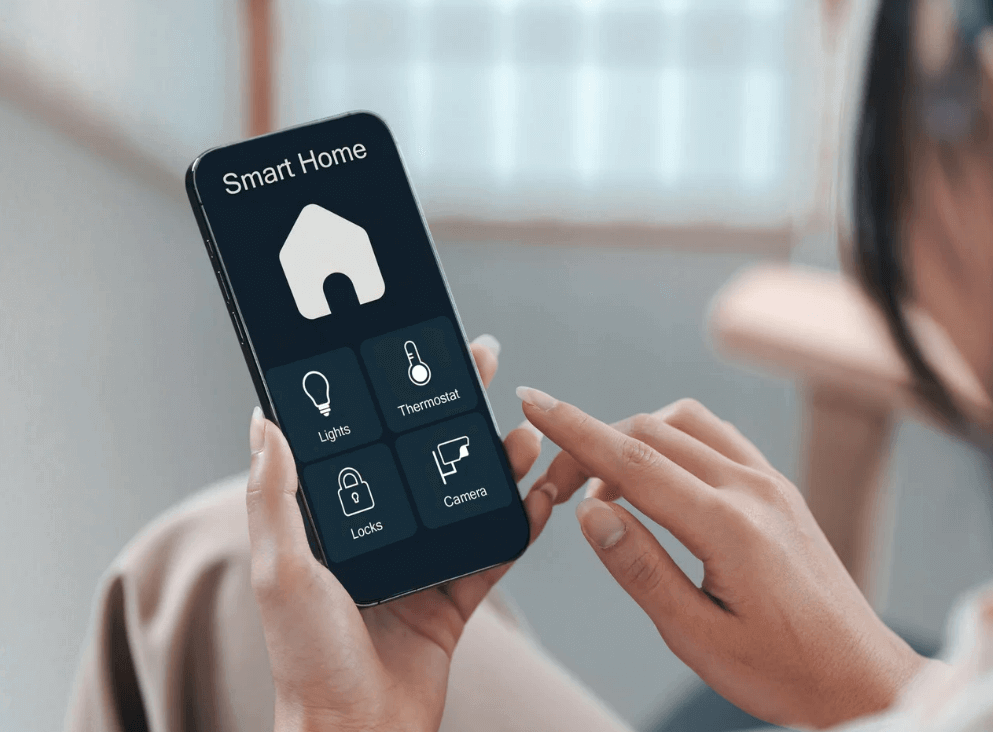
Home security isn’t just about technology—it’s about making safety a seamless part of your household routine. For many families, keeping track of alarm codes, contact numbers, and device functions can quickly become overwhelming if not properly organized. That’s where a touch of creativity can help.

By combining practical organization with personalized labeling, you can bring clarity and style to your system management. And when paired with resources like the Alarm Grid Honeywell security system, homeowners can feel both informed and empowered while adding a bit of DIY charm to their space.

DIY home security

Why Home Security Organization Matters

It’s easy to overlook the smaller details when setting up a home alarm system. Most people focus on the big picture—installing sensors, programming the panel, or setting up mobile monitoring. But without proper organization, even a well-installed system can become a source of confusion. Family members may forget which code is for guests, struggle to remember what each button does, or lose sight of essential emergency instructions.

Organized labeling helps eliminate that stress. By clearly marking instructions and creating a system to track codes, you create a safety net that ensures everyone in your household knows what to do. Beyond the practical benefits, adding style to your labels and trackers transforms security management from a chore into something more approachable and family-friendly.

Labeling Alarm Codes with Clarity and Style

Alarm codes are often the most confusing part of managing a system, particularly when it comes to master codes, duress codes, or guest codes. Without clear labeling, these numbers can become forgotten or misplaced, which creates unnecessary frustration. Creating a set of stylish, well-organized labels or a dedicated “security notebook” can help ensure these critical details are always within reach.

DIY options can be as simple as printing custom templates or using craft tools like washi tape, chalk markers, or adhesive labels that blend into your home’s décor. For instance, a small laminated card kept in a discreet family binder can hold the main codes, while a pretty chalkboard hung inside a closet can serve as a central “command center” for quick reminders. These methods keep the information secure while making it accessible to the people who need it most.

DIY home security labels

Creating a Command Center for Security

Many households benefit from having a single place where all key information is stored. A “command center” doesn’t have to be high-tech. It can be a designated area on a wall, inside a kitchen cabinet, or on a corkboard that combines calendars, to-do lists, and security details. Integrating your alarm system information into this area means everyone in the family knows exactly where to look when they need it.

Crafting a stylish board with sections for emergency contacts, alarm instructions, and code references keeps your home running smoothly. Using decorative frames, magnetic boards, or cork tiles allows you to add a personal touch while still prioritizing function. This approach not only makes security more manageable but also reinforces a culture of preparedness within your household.

Making Security Kid-Friendly

For families with children, adding creativity to security labels can make the process easier for younger members to understand. While kids should never have full access to every code, they can benefit from age-appropriate instructions and reminders. A colorful booklet or illustrated guide can explain what to do if the alarm sounds, who to contact, and how to exit the home safely.

Turning these lessons into a craft project is a great way to engage children in the importance of safety. You might let them decorate their own emergency contact cards or design a “safety badge” that reminds them of the family plan. These efforts help reinforce the seriousness of home security in a way that is both fun and memorable.

Using Printables and Digital Resources

One of the easiest ways to stay organized is to combine DIY efforts with ready-made printables or digital guides. Creating worksheets to track alarm codes, emergency contacts, and system instructions helps centralize all of the essential details. These can be customized with your own design elements, fonts, or borders to match your home style.

When paired with resources like the Honeywell alarm codes reference, these DIY tools become even more effective. Having a clear cheatsheet that explains each type of code ensures that your labels and notes are both accurate and easy to use. This hybrid approach of creative organization and reliable resources guarantees your family is always prepared without sacrificing style.

DIY home security labels and organization

Adding Personality to Security Organization

Security information often feels sterile and impersonal, but it doesn’t have to be. By treating your labels and organizational system as part of your home décor, you can bring warmth and personality into an otherwise technical area. Use colors that match your kitchen or entryway, choose fonts that feel inviting, or design printable labels that reflect your family’s aesthetic.

When home security becomes part of the design flow, it feels less like an obligation and more like a natural extension of your lifestyle. Whether you’re crafting a rustic corkboard, a sleek magnetic board, or a pastel-coded notebook, the goal is to make organization fit seamlessly into your household.

Conclusion

DIY labeling and organization for home security is about more than keeping track of codes—it’s about creating a system that supports safety while blending with your family’s lifestyle. With the right mix of creativity and practicality, you can design a setup that is both functional and beautiful.

By incorporating reliable resources like the Alarm Grid Honeywell security system, your home becomes not only stylishly organized but also more secure. The combination of clarity, creativity, and preparedness ensures that everyone in your household feels confident in managing security while enjoying the personalized touches that make your home unique.

How to Plan a Smoky Mountain Wedding That Doubles as a Family Vacation

0 · Sep 11, 2025 · Leave a Comment

Weddings are some of the happiest days of our lives, but they can also move quickly. Friends and family travel in for the ceremony, but often the trip ends before there’s much time to enjoy being together. That’s why more couples are turning their wedding day into something bigger. By planning a Smoky Mountain wedding, you can also give your guests a family vacation.

The Great Smoky Mountains make a perfect choice for this kind of celebration. The area combines natural beauty with fun activities, making it easy to create memories that last longer than a single day. From outdoor adventures to cozy cabins, this destination gives you everything you need to celebrate love and spend real time with your loved ones.

smoky mountain wedding

Choosing the Perfect Setting for Your Wedding

The first step in planning a wedding that doubles as a family trip is picking the right location. The Smoky Mountains are ideal for couples who want stunning views and a laid-back atmosphere. With rolling hills, lush forests, and mountain sunsets, it’s a place that feels special no matter the season. The area also has a variety of venues, from intimate chapels to wide-open outdoor spaces.

Planning a Smoky Mountain wedding can be simple and stress-free with help from the Appalachian Wedding Company. They specialize in creating easy, affordable wedding experiences while keeping the focus on what matters most. According to their website, they offer budget-conscious packages, flexible payment plans, and a concierge-style service that guides couples from start to finish. This means you can enjoy your wedding without worrying about endless details.

Making It Fun for the Whole Family

A wedding that doubles as a family vacation should feel like more than just a ceremony. Guests should have things to do before and after the big day. Luckily, the Smoky Mountains are filled with activities that everyone can enjoy.

For families with kids, places like Ripley’s Aquarium of the Smokies or Ober Mountain are popular picks. Older relatives may enjoy scenic drives such as the Roaring Fork Motor Nature Trail, which lets you see the beauty of the mountains without a strenuous hike. Groups that love entertainment can visit Pigeon Forge, where shows, dinner theaters, and amusement attractions are easy to find.

Balancing wedding events with local activities makes the trip more enjoyable for everyone. By giving your guests time to explore, you turn your wedding into a full family experience.

Picking the Right Wedding Package

When you’re planning a destination wedding, it’s helpful to simplify as much as possible. Choosing a wedding package allows you to cover the basics without juggling too many vendors. Packages in the Smoky Mountains often include essentials like an officiant, a wedding coordinator, and music. Many also give you options to add flowers, photography, or video services.

These packages are especially helpful when you want your wedding to blend smoothly with a family vacation. Instead of spending hours emailing multiple vendors, you can rely on one service to handle the details. This lets you focus more on enjoying time with your guests.

planning smoky mountain wedding

Coordinating Travel and Lodging

Travel and lodging can make or break a family vacation. Luckily, the Smoky Mountains offer plenty of choices that work for groups. Cabins are one of the most popular options. They give families space to spread out while still being together under one roof. Many cabins come with kitchens, game rooms, and outdoor decks, which make them perfect for group gatherings.

If your family prefers more privacy, chalets and vacation rentals are widely available. Some couples even book several smaller cabins close together so relatives can enjoy both shared and private space. The key is to plan early, especially if you expect a large number of guests. The area is a popular destination year-round, and lodging can book quickly.

Keeping everyone close by also helps create the feeling of a family retreat. Guests can share meals, play games, or simply enjoy coffee on the porch together. This turns your wedding into more than an event—it becomes a shared family memory.

Planning Activities Before and After the Ceremony

Another way to make your wedding feel like a family vacation is to plan group activities. These don’t have to be formal or expensive. Sometimes a short hike, a picnic, or a ride on the Gatlinburg SkyLift can be just as fun as a bigger outing.

The national park is the area’s biggest draw, with trails ranging from easy walks to longer hikes. Families can explore waterfalls, wildlife, and mountain views together. Seasonal festivals also make great add-ons, from spring flower festivals to fall harvest events. Downtown Gatlinburg offers shopping, local food, and attractions that keep everyone entertained.

Building a simple itinerary helps guests make the most of their trip. You don’t need to schedule every moment, but giving suggestions makes it easier for your loved ones to enjoy the area.

smoky mountain wedding activities

Budgeting for a Combined Wedding and Vacation

Combining a wedding and family vacation can actually save money compared to planning them separately. Instead of paying for two trips, you merge the experiences into one. Couples should set a clear budget that covers both wedding expenses and travel needs. This includes venue costs, lodging, food, and activities.

One tip is to work with services that offer flexible payment plans. This makes it easier to manage expenses without added stress. With a clear plan, couples can celebrate their wedding while giving their guests a memorable vacation that doesn’t break the bank.

Weddings are about celebrating love, but they’re also about bringing people together. When you plan a wedding in the Smoky Mountains, you create more than a ceremony. You give your family a chance to connect, relax, and enjoy a vacation.

With stunning scenery, fun attractions, and helpful services, the Smokies are the perfect place to make it happen. By choosing the right setting, planning family activities, and keeping budgets in mind, you can create a wedding that is just as meaningful for your loved ones as it is for you.

First Trip with Kids? Here’s How to Make It Stress-Free

0 · Sep 11, 2025 · Leave a Comment

The first trip with kids can bring a mix of excitement and worry. You want the memories, but you may also wonder how to handle meltdowns, long drives, or where to stay. Choosing the right destination helps a lot—and that’s where the Smoky Mountains shine.

With family-friendly towns like Gatlinburg and Pigeon Forge, you’ll find the perfect blend of nature, fun, and convenience. From scenic trails to attractions and cozy cabins, everything you need for a smooth first trip is right there.

In this article, you’ll find some useful tips that can help you plan a stress-free trip with the little ones so that you can relax and focus on creating special moments together.

first trip with kids

1. Pack, But Don’t Overpack

When kids are involved, a little preparation goes a long way. Packing is often where new travelers overdo it, bringing everything they can think of in case it might be needed. The truth is, overpacking only adds to your stress. Stick to essentials like snacks, water bottles, favorite comfort toys, and a small first-aid kit. A well-stocked backpack for day trips is often all you need once you arrive. Remember that you’ll have access to stores for anything you forget, so there’s no need to carry the entire medicine cabinet or half your child’s toy box.

2. Book the Perfect Place to Stay

Where you stay can make or break your first trip with kids. When you want space, comfort, and convenience, a cabin is the best way to go. Timber Tops Cabin Rentals are a great choice for families. These cabins provide privacy, full kitchens for quick meals, and plenty of room for kids to move around. Being close to town also matters.

When hunger strikes, having popular eateries such as Crockett’s Breakfast Camp nearby saves you from driving long distances with cranky kids. Staying close to kid-friendly restaurants like this gives you more flexibility and fewer meltdowns when meal times arrive.

Ultimately, choosing the right base helps set the stage for a stress-free trip.

3. Stick to Kid-Friendly Schedules

Parents often make the mistake of planning too much in a single day. With kids, less is usually more. It’s tempting to pack in as many attractions as possible, but children need breaks. Overly long days leave them tired and cranky, which can take the fun out of the trip. Keep a loose schedule that includes time for naps, snacks, and relaxation.

Simple adjustments like avoiding early mornings or long evenings can make the experience smoother for everyone. Planning your day around your children’s natural routines creates a more relaxed pace, which makes for a better family trip.

4. Choose Activities Everyone Will Enjoy

The Smokies are full of attractions for families, and the key is to pick ones that appeal to you and the little ones. In Gatlinburg, the aquarium is always a hit, while in Pigeon Forge, you’ll find theme parks and kid-friendly shows.

For outdoor lovers, short hikes on easy trails are a perfect way to introduce children to nature without pushing them too hard. It’s also important to balance family fun with a few moments for parents. That might mean choosing an attraction with something for everyone or planning a little downtime where you and your partner can relax.

fun first trip with kids

5. Keep Travel Time Fun and Comfortable

The journey to your destination is often the first challenge. Long drives or flights can test your patience and your children’s, too. The best way to handle it is to keep kids engaged. Bring some activities such as coloring books, travel-friendly games, and audiobooks. Snacks and water should be within easy reach to cut down on unnecessary stops. If you’re driving, plan for breaks where kids can stretch and move around.

6. Prepare for Meal Times in Advance

Meals are often the make-or-break moments of a family trip. Kids don’t wait quietly when they’re hungry, and parents know that a sudden meltdown can ruin the best-planned day. Thinking ahead about where and when you’ll eat takes a lot of pressure off. In the Smokies, you’ll find plenty of kid-friendly restaurants with menus that work for children as well as grown-ups.

Having a few go-to spots picked out means you’re never scrambling at the last minute. It’s also smart to carry snacks in your bag for those times when waits are long or activities run later than expected.

7. Safety Comes First

Traveling with children brings safety concerns that don’t always come up when you travel without them. When you arrive at your cabin, take a few minutes to look around and make adjustments. Move breakable items out of reach and check locks on doors or windows.

If you’re staying in a multi-level cabin, think about where your child will sleep and whether baby gates are needed. In crowded places like theme parks or downtown Gatlinburg, set clear rules with your children about staying close. These small steps provide peace of mind and help you focus on enjoying the trip rather than worrying.

8. Build Flexibility Into Your Plans

No matter how carefully you plan, things will change. Kids may need more rest than you expect, or the weather might alter your outdoor activities. Being flexible helps you roll with the surprises instead of fighting them.

If you had planned a hike but it starts raining, maybe that’s the day to visit an indoor attraction. If your child is worn out after a busy morning, take the afternoon off to rest in your cabin. Flexibility also means saying yes to spontaneous fun, like stopping for a treat or exploring a roadside spot you hadn’t planned.

stress-free first trip with kids

9. End Each Day on a Relaxed Note

How you wrap up each day matters. Ending on a calm, happy note sets the stage for smoother mornings and helps kids settle into an unfamiliar environment. Bring along board games or a favorite family movie to watch together. Some families enjoy storytelling or simply talking about their favorite parts of the day before bed. Creating a routine, even on vacation, makes kids feel secure and ready for the next day.

The First of Many!

Your first trip with kids is more than just a getaway—it’s a chance to see the world through their eyes. The little moments, from shared laughter to unexpected discoveries, often turn into the memories you’ll treasure most. Challenges will occur, but they don’t need to define the experience. What matters is the joy of being together, exploring new places, and building traditions you can carry into future travels.

How to Prepare Your Property for a Major Home Renovation

0 · Sep 10, 2025 · Leave a Comment

Planning a big home renovation can be exciting, but without proper preparation, the process can quickly turn stressful. From budgeting and design decisions to waste removal and landscaping, numerous factors must be considered. The good news is that with the right approach, you can create a smooth experience that minimizes disruptions while ensuring your home upgrade is a success.

This guide will walk you through the key steps in preparing your property for a significant renovation, including debris management, protecting your landscaping, and addressing long-term maintenance needs.

major home renovation

Step 1: Plan for Clean-Up and Waste Removal

One of the first things to think about when preparing for renovations is how you’ll manage waste. Even small remodeling projects generate a surprising amount of debris—broken tiles, drywall scraps, old fixtures, and packing materials. If you don’t plan, your property can quickly become cluttered, unsafe, and difficult for contractors to work in.

That’s why many homeowners choose professional disposal options (eg. Dumpster Rental Toronto) . Having a dedicated container on-site keeps your work area organized, ensures the safe disposal of materials, and saves you from making countless trips to the landfill. Planning this step in advance helps streamline your project and avoid unnecessary delays.

Step 2: Protect Your Outdoor Areas

Renovations don’t only affect the inside of your house—they can also take a toll on your outdoor spaces. Heavy equipment, foot traffic, and construction materials can damage your lawn, garden beds, or driveway if precautions aren’t taken.

Before the work begins, move outdoor furniture and cover delicate plants. If contractors will be using your yard for staging materials, lay down plywood or protective mats to prevent compacting the soil or damaging the grass. Plan for durable driveway sealing to guard against stains, cracks, and heavy construction traffic. For large-scale projects, consider fencing off specific areas to keep pets and children safe during the construction process.

When the renovation involves exterior facades or decorative garden walls, it helps to choose materials that can handle outdoor conditions. For example I-XL manufactures cultured stone products that provide the look of natural stone but are lighter and often easier to install, which makes them a practical option compared to full-thickness stone or brick in high-traffic construction zones.

Using manageable materials like these also reduces the risk of damage when workers are moving tools, scaffolding, or protective boards around your yard.And don’t forget to protect yourself and your renovation team by grabbing safety gear and PPE from the Safety Source.

preparing for major home renovation

Step 3: Evaluate Drainage and Soil Conditions

When a renovation involves additions, new patios, or landscaping adjustments, your property’s drainage system becomes an important consideration. Improper grading can cause water to collect near the foundation, increasing the risk of leaks and long-term structural issues.

A simple yet effective strategy is learning about grading soil to redirect water away from your home. By using the right soil type and slope, you can protect your foundation and improve the overall health of your yard. Addressing drainage early in the planning phase can save you from costly repairs in the future.

Step 4: Budget Realistically for the Entire Project

Even the best renovation plans can go over budget if you don’t anticipate hidden costs. Beyond materials and labor, you may need to account for permits, temporary accommodations, or landscaping repairs once construction is complete.

For those planning accessibility upgrades, factoring in home elevator costs early is a smart move, as adding a residential elevator can significantly improve long-term comfort and property value when budgeted for upfront. Additionally, setting aside at least 10-15% of your budget for unexpected expenses will help you stay financially prepared.

It’s also smart to request detailed estimates from multiple contractors before making a final decision. Compare not just the price, but also the scope of services, timelines, and warranties offered. A slightly higher upfront cost may pay off in quality and fewer complications later on.

Step 5: Create a Temporary Living Plan

Depending on the scale of your renovation, parts of your home may become unusable for weeks or even months. If your kitchen is under construction, you’ll need a temporary setup for cooking and dining. For bathroom remodels, arranging alternative facilities is essential.

Families with children or pets should carefully consider the potential noise, dust, and safety hazards associated with this location. In some cases, it may be easier to stay with relatives or rent temporary accommodations until the work is finished. Discuss timelines with your contractor to make an informed decision about what will be most comfortable and practical for your household.

Step 6: Communicate Clearly with Contractors

A renovation is a collaboration between you and the professionals you hire. Clear communication prevents misunderstandings and ensures your vision is carried out effectively. Schedule regular check-ins, ask for progress updates, and don’t hesitate to raise questions if something seems unclear.

It also helps to keep a project binder or digital folder with contracts, receipts, schedules, and notes. This level of organization enables easier tracking of progress, effective cost management, and prompt resolution of any issues.

major home renovation planning

Step 7: Inspect and Finalize the Work

As the renovation nears completion, take a moment to review the results. Walk through with your contractor to identify any issues, from uneven paint lines and flooring, to missing hardware. Most contractors anticipate a “punch list” at the end of a project—a checklist of final touch-ups needed before completion.

Don’t forget to verify that all necessary permits have been obtained and that warranties for appliances or installations are adequately documented. These details will protect your investment and give you peace of mind moving forward.

Conclusion

Preparing your home for a significant renovation may seem overwhelming, but taking the time to plan each step makes the process far smoother. From setting up efficient waste removal and protecting your outdoor spaces to ensuring proper soil grading and budgeting realistically, preparation is the key to success.

With thoughtful planning and open communication, your renovation can be a rewarding investment that enhances both your home’s value and your everyday lifestyle.

  • « Go to Previous Page
  • Page 1
  • Interim pages omitted …
  • Page 117
  • Page 118
  • Page 119
  • Page 120
  • Page 121
  • Interim pages omitted …
  • Page 461
  • Go to Next Page »

Primary Sidebar

Heather from Whipperberry
Hello... my name is Heather and I'm the creator of WhipperBerry a creative lifestyle blog packed full of great recipes and creative ideas for your home and family. I find I am happiest when I'm living a creative life and I love to share what I've been up to along the way... Come explore, my hope is that you'll leave inspired!

Footer

  • Privacy Policy
  • Crafts
  • Food
  • Gifts
  • Holidays
  • Home
  • Mom Life
  • Recipes
  • Travel

Copyright © 2026 · Seasoned Pro